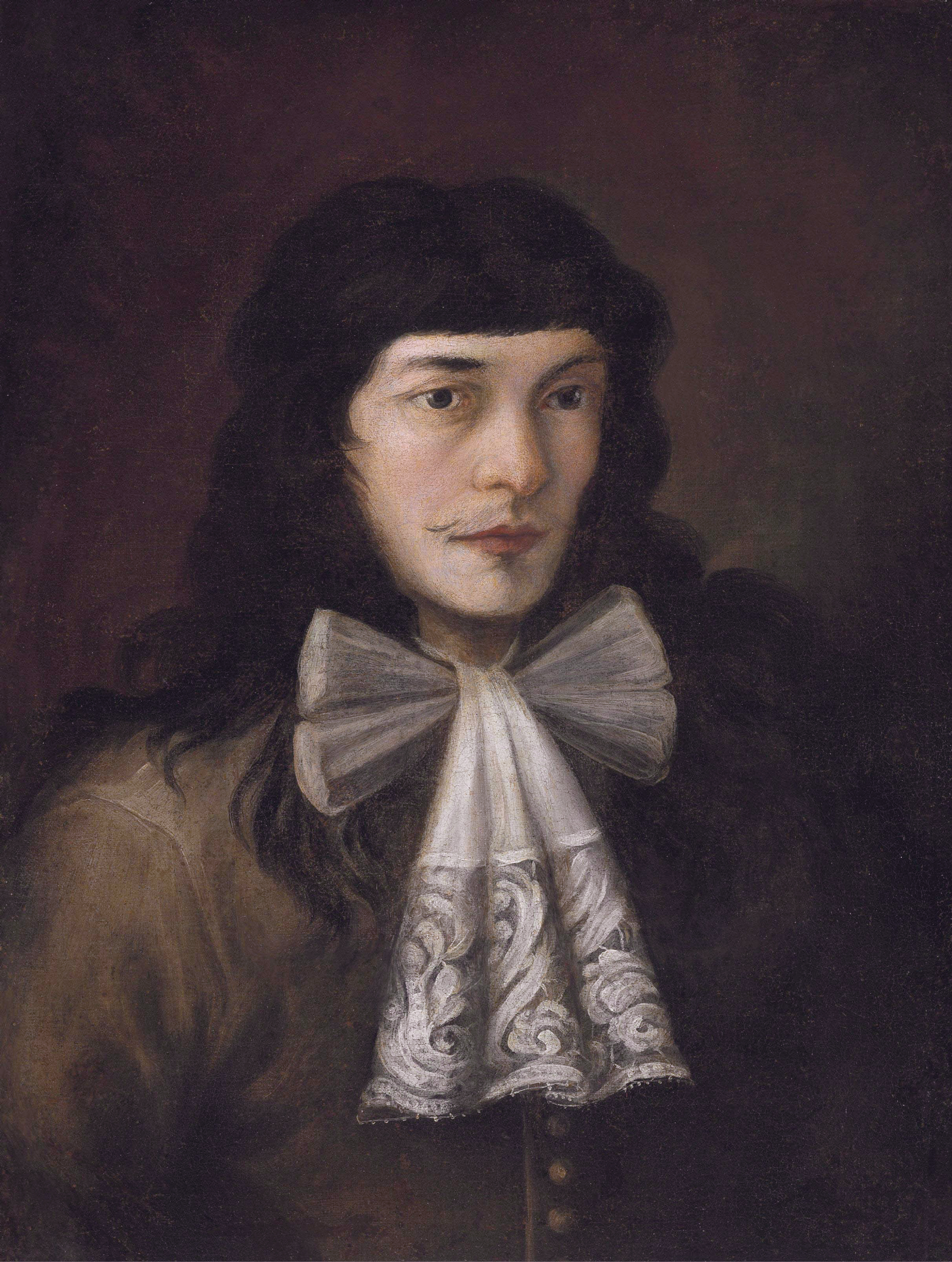
Why Alessandro Magnasco matters
Alessandro Magnasco is one of the most individual painters of the Italian late Baroque, a Genoese artist whose nervous, flickering brushwork and phantasmagoric subject matter, monks, gypsies, soldiers, Inquisition interrogations, set him apart from the calm classicism of his contemporaries. Largely forgotten within a generation of his death in 1749, he was rediscovered by scholars in the early twentieth century and now holds a settled place in the permanent collections of major museums. For a collector, he represents a historical name with strong institutional validation but a thin, infrequently traded market.
- Born
- 1667-02-04, Genoa, Republic of Genoa
- Nationality
- Italian
- Media
- Painting, Drawing
- Movement
- Late Baroque, Genoese School
- Education
- Apprenticed under Filippo Abbiati in Milan, by 1690. No formal academy training or degree is documented.
- Signature motifs
- Phantasmagoric genre scenes, Elongated, flickering figures, Monastic and Inquisition interiors
By the numbers
- Not independently confirmedAuction highPublic databases report realized prices up to USD 337,868 for paintings (MutualArt), but no specific work, house, or sale date could be verified as of 2026-07-11
- Milan, Florence, GenoaActiveMilan c. 1677 to 1703 and 1711 to 1735; Florence c. 1703 to 1709; Genoa 1735 to 1749
- Early 20th centuryRediscoveryOeuvre reassessed by scholars after decades of obscurity following his death
- None (historical artist)Represented byWorks trade through old master auction houses and specialist dealers; no gallery or estate representation applies
Selected works
Click any work to view it full screen.
Biography
Alessandro Magnasco, known by the nickname il Lissandrino, was born on 4 February 1667 in Genoa, the son of the minor painter Stefano Magnasco. Around the age of ten, following his father's death, he was sent to Milan under the care of a patron, initially to learn commerce rather than painting. He soon persuaded that patron to fund an apprenticeship with the Milanese painter Filippo Abbiati, and by 1690 he had established himself as a portraitist. Some older accounts also name Valerio Castello as an early influence, but Castello died in 1659, eight years before Magnasco was born, so this connection is understood by modern scholars as a link to Castello's stylistic tradition rather than a documented, direct apprenticeship.
Magnasco worked in Milan through roughly 1703, then spent about six years, from around 1703 to 1709, in Florence in the service of Grand Prince Ferdinand de' Medici. He returned to Milan from 1711 to 1735, then settled permanently in Genoa in 1735, where he remained until his death. He died in Genoa on 12 March 1749, at the age of 82.
His mature work is defined by elongated, fragmented figures rendered in swift, darting brushwork, set within dark, stormy, often sublime landscapes and interiors. He painted unconventional subjects for his era, including monastic life, bandits and wanderers, synagogue services, Quaker meetings, and scenes of interrogation, giving his pictures a restless, theatrical energy.
Critical reception
Standard art-historical references consistently describe Magnasco as a highly individual figure within the late Baroque, prized for lively composition, brilliant brushwork, and an unusual, often unsettling choice of subject. His paintings are sometimes credited with influencing later landscape painters, including Sebastiano and Marco Ricci. His reputation faded within decades of his death and was not substantially revived until scholars rediscovered his oeuvre in the early twentieth century, after which he became a subject of sustained connoisseurial and museum interest. No verbatim, attributable critical quotation meeting a strict sourcing standard could be confirmed for this profile, so none is reproduced here.
Market
Magnasco's market is that of a historical Old Master rather than a modern or contemporary artist: sales are infrequent and concentrated in European, largely Italian, auction houses and specialist dealers. Public price aggregators are inconsistent on his exact auction record; MutualArt reports realized prices reaching as high as USD 337,868 for paintings, but without a documented work title, auction house, or sale date, so no single confirmed record price can be published here. Many lots described as "circle of Magnasco" or "follower of Magnasco" also circulate at auction, typically at far lower prices, reflecting the attribution challenges common to his body of work.
Selected exhibitions
| Years | Exhibition | Venues |
|---|---|---|
| Ongoing | Permanent collection display | National Gallery of Art, Washington, D.C. |
| Ongoing | Permanent collection display | Art Institute of Chicago |
| Ongoing | Permanent collection display | J. Paul Getty Museum, Los Angeles |
| Undated to 2025 | Private collection, later gallery inventory | Robert Simon Fine Art, New York (U.S. private collection, dates undocumented, attribution confirmed through 2025) |
| Early 20th century | Scholarly rediscovery | European art-historical scholarship; no single venue documented |
Museum collections
- National Gallery of Art, Washington, D.C.
- Art Institute of Chicago
- J. Paul Getty Museum, Los Angeles
- Samuel H. Kress Foundation collection
Authentication and provenance
No catalogue raisonne.
No unified, published catalogue raisonne is confirmed. Attribution and authentication rest on connoisseurship, provenance research, and specialist scholars such as Dr. Anna Orlando, who has authenticated individual paintings.
Primary reference: https://www.britannica.com/biography/Alessandro-Magnasco
What collectors should know
There is no published catalogue raisonne for Magnasco, and attribution can be complicated by workshop practice, later copies, and the volume of "circle of" and "follower of" material on the market, so provenance research and specialist opinion carry significant weight. He is not represented by any gallery or estate; his paintings and drawings surface through old master auction houses and specialist dealers rather than a managed primary market. His institutional standing, anchored by holdings at the National Gallery of Art, the Art Institute of Chicago, the Getty, and the Kress Foundation collection, is the strongest signal of his art-historical importance, even though public auction activity remains thin, infrequent, and inconsistently documented at the top end.
Further reading and resources
Data current as of 2026-07-11.

