
Art as an Investment
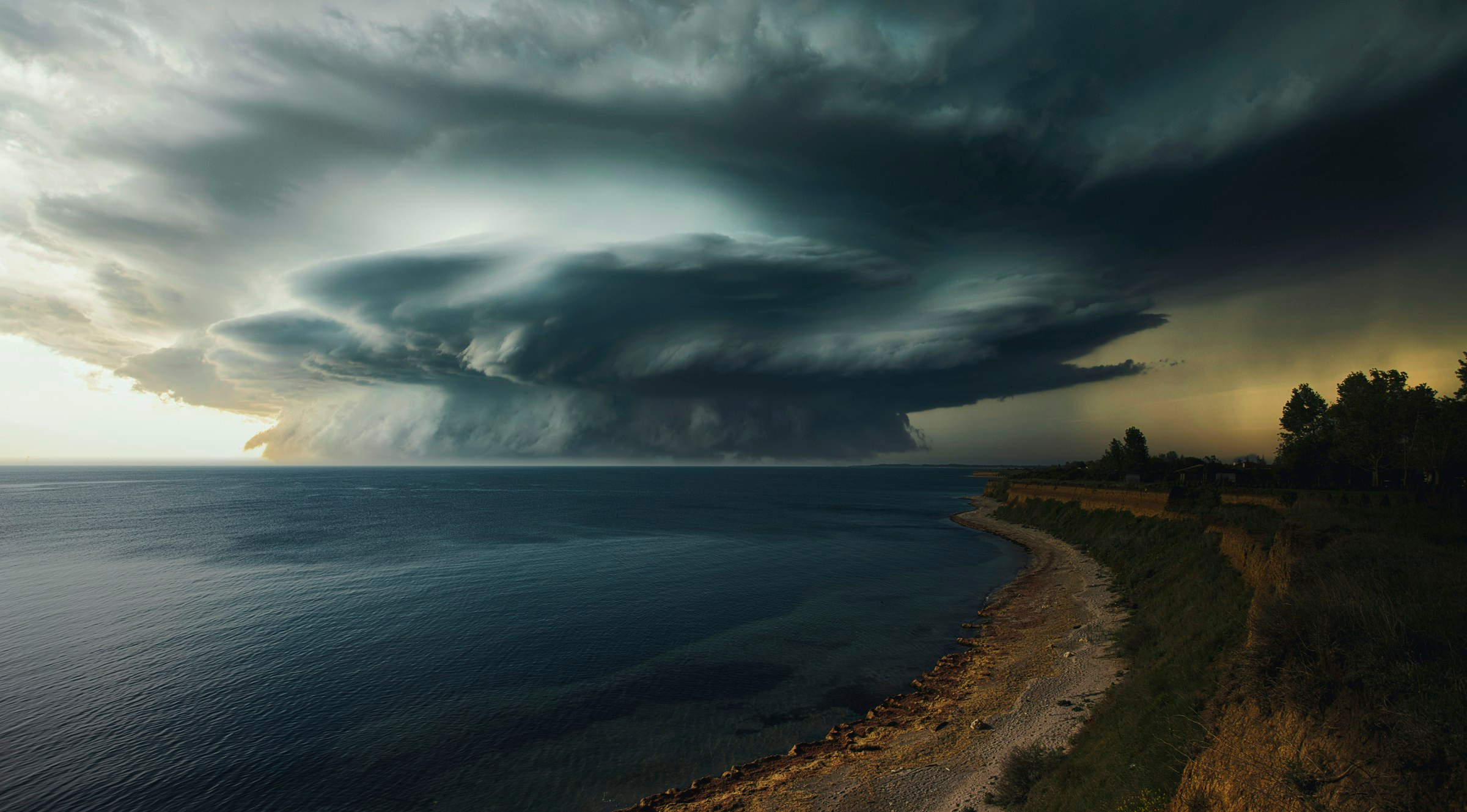
Black Swans in the Art Market
Art market black swans cut both ways: attribution collapses and crashes on one tail, Salvator Mundi-style repricings on the other. How to position for both.
Deeply reported features from the Masterworks Research Team, published weekly.
Art market black swans cut both ways: attribution collapses and crashes on one tail, Salvator Mundi-style repricings on the other. How to position for both.
A drawdown playbook for sophisticated investors: base rates, why 60/40 broke in 2022, hedges vs diversifiers, tax and rebalancing moves, and where art fits.
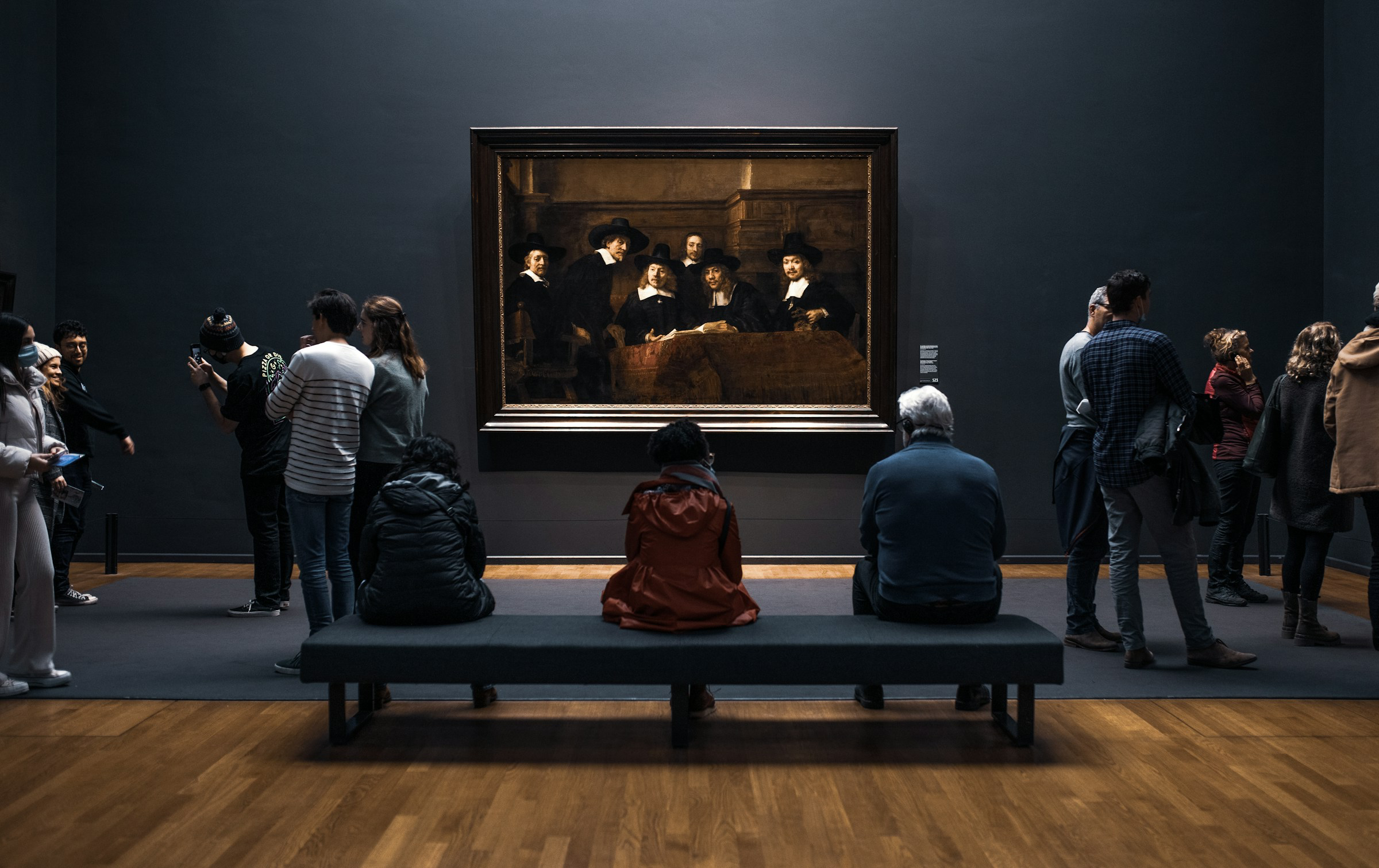
Interest rates, currencies, inflation, and new wealth drive art prices. What the 1990 and 2008 crashes teach, and where demand comes from in 2026.
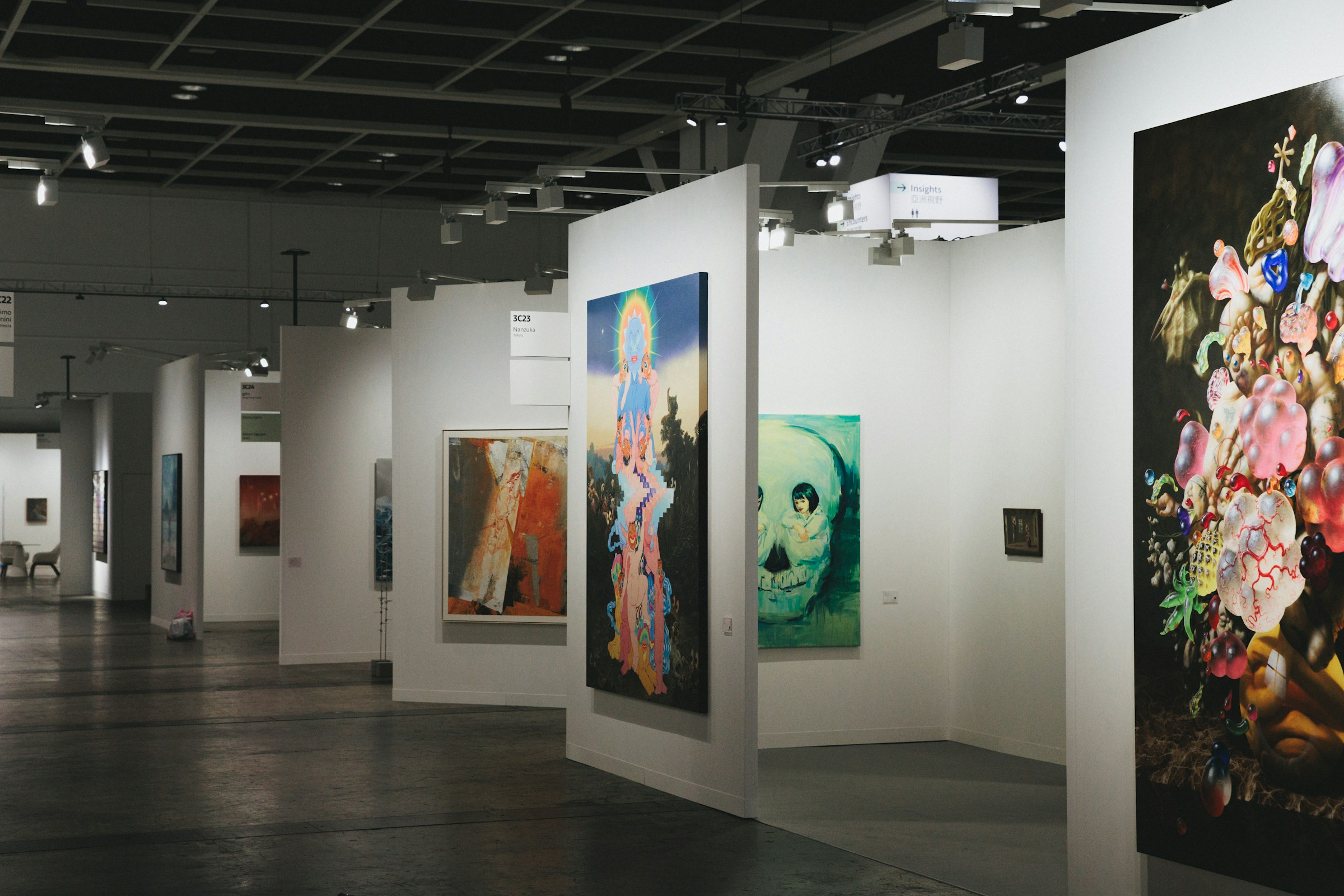
How the art market works: its size, the dealers and auction houses that run it, how prices form, and why its opacity is the whole opportunity for investors.
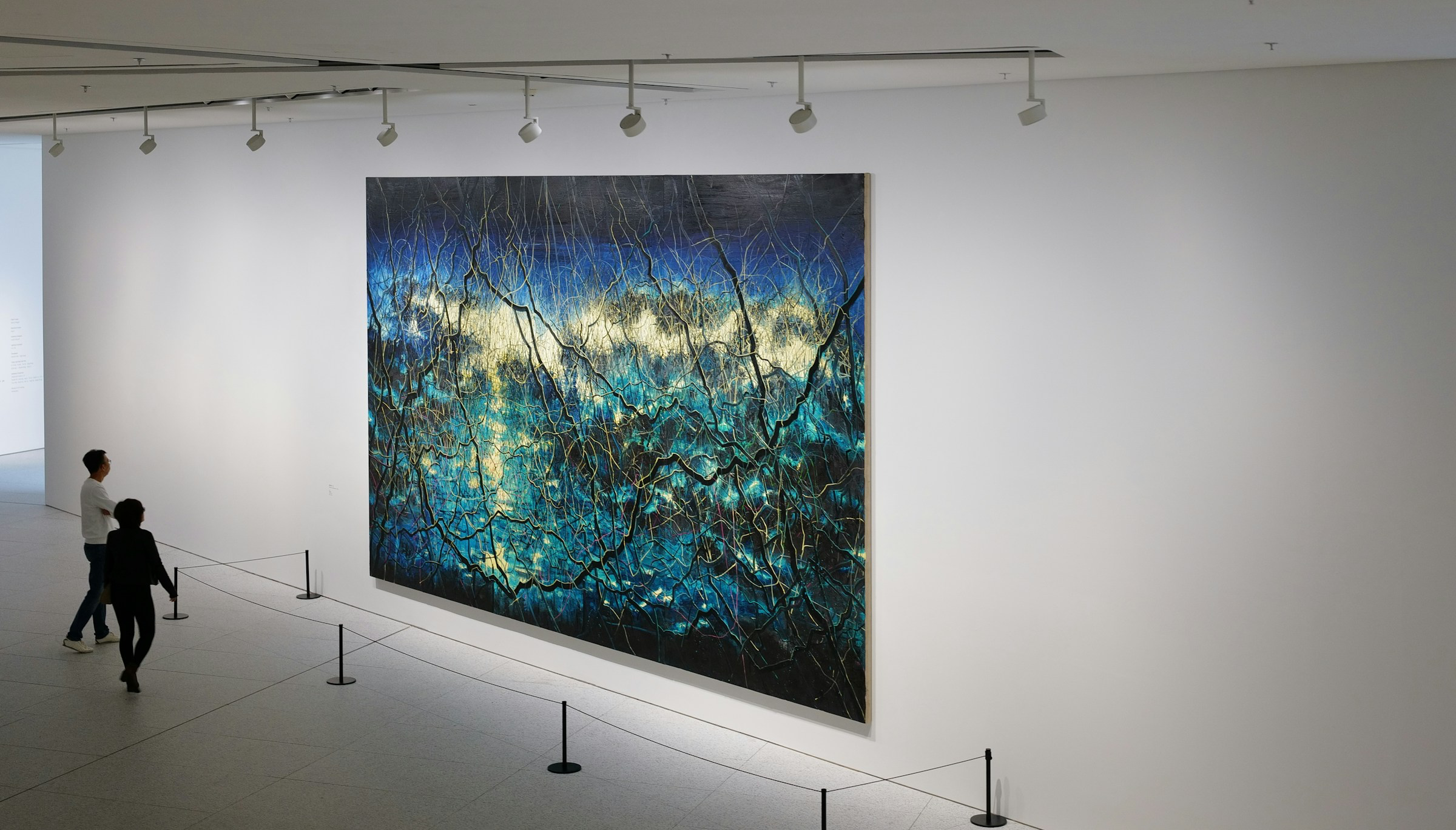
How alternatives fit in a portfolio: the diversification case, the endowment model, why most individuals lose in alts, how much to allocate, and where art fits.

Long holding periods capture the illiquidity premium, amortize transaction costs, and let recoveries compound. The data behind patience in art markets.

Missing a handful of the market's best days erases most of a decade's return, and those days cluster near the worst. What the evidence says to do instead.

Art transaction volume keeps rising while aggregate value stays soft. Here is what drives the split, and why a broader, more liquid market matters to investors.

Contemporary art and Old Masters appreciate at very different rates and rarely move in step. Here is why the collecting categories diverge, and what it means for diversifying within art.

Venture capital returns follow a power law: a few winners drive most of the gains while most bets fail. A plain explainer of VC, the J-curve, and access.

Modern art runs from the 1860s to about 1970, from Impressionism to Minimalism. Here is what defines it and why it anchors the blue-chip auction market.

What contemporary art means, where the post-1945 vs post-1970 boundary sits, how it differs from Modern, and why it is the largest auction segment.