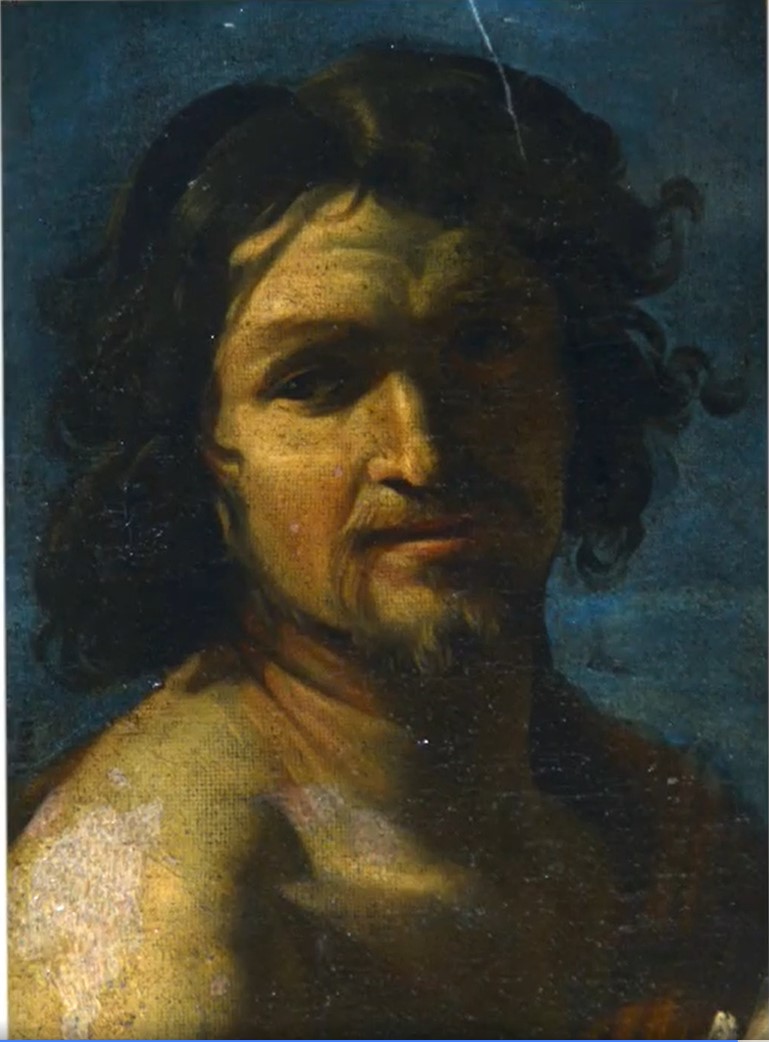
Why Antonio Stom matters
Antonio Stom, called Il Tonino, was a Venetian painter of battle scenes, ceremonial views, and capricci whose reputation was largely lost after his death in 1734 and only reconstructed by scholars in the twentieth century. He matters to collectors of Old Master Venetian painting as a documented link between the battle-painting tradition of his family's workshop and the view painting (vedutismo) that Canaletto and Guardi would later bring to full flower. His market is thin and specialist, marked by a small number of high-value results at major international auction houses, which makes careful attribution and provenance research essential to any purchase.
- Nationality
- Italian
- Media
- Painting
- Movement
- Venetian Baroque, Proto-Vedutismo
- Education
- Trained in Venice in his family's painting workshop (bottega familiare), which specialized in battle scenes; no formal academy or degree is documented.
- Signature motifs
- Venetian vedute, Battle scenes, Diplomatic and ceremonial reception scenes, Capricci with classical ruins
By the numbers
- USD 218,941Auction highVenedig, der Empfang des papstlichen Nuntius Carlo Gaetano Stampa vor dem Dogenpalast, 1721, Hampel Fine Art Auctions, Munich, 2023
- Venice, 1688 to 1734ActiveVenetian painter known as Il Tonino
- Stom family atelierWorkshopBattle-painting workshop founded by Matteo and Giovanni (Zuanne) Stom
- None documentedRepresented byHistorical artist; market activity occurs through auction houses
Selected works
Click any work to view it full screen.
Biography
Antonio Stom was born in Venice in 1688 into a family of painters, originally from Val Gardena, that had established a workshop in the city specializing in battle scenes over the second half of the seventeenth century. That workshop's first generation was led by Matteo and Giovanni, called Zuanne, Stom. Antonio led the workshop's second generation, training within the family bottega rather than at a formal academy; no school, degree, or specific years of study are documented for him.
Working in Venice, Stom expanded the family's repertoire beyond battle painting into landscapes, vedute, capricci with classical ruins, and large historical and ceremonial reception scenes. Scholars, following Antonio Morassi, attribute to him a significant series of history paintings made for the Mocenigo family's Palazzo Mocenigo at San Stae in Venice, depicting episodes from the family's past, including a scene of the ambassador Alvise Mocenigo's reception in London in 1702. His handling of view painting put him in dialogue with contemporaries such as Luca Carlevarijs and the painter Eismann.
Stom died in Venice in 1734. The exact day and month of his death are not recorded in the sources currently available; only the year and city are documented. His work fell into obscurity after his death, and a number of Venetian views were misattributed to Carlevarijs and other contemporaries, until the art historian Antonio Morassi published "Preludio per Antonio Stom, detto il Tonino" in the journal Pantheon in 1962, reconstructing his biography and restoring a body of work to his hand.
Critical reception
For most of the eighteenth, nineteenth, and early twentieth centuries, Antonio Stom was effectively absent from art-historical discussion, with many of his Venetian views circulating under other painters' names. That changed with Antonio Morassi's 1962 Pantheon article, which reconstructed his career and argued for his originality within the family's workshop tradition; auction house catalogues citing Morassi describe him as showing a distinctive individuality in his fantasy landscapes. Later commentary, including from Christie's specialists, has framed him as a transitional figure who anticipated the great Venetian view painters of the eighteenth century. No major museum retrospective or exhibition devoted specifically to Antonio Stom has been identified in current sources, and his critical profile remains that of a scholarly rediscovery rather than a widely exhibited name.
Market
Stom's auction market is small and dominated by regional Italian sales, with occasional works reaching international rooms. His auction high is a large Venetian reception scene, Venedig, der Empfang des papstlichen Nuntius Carlo Gaetano Stampa vor dem Dogenpalast, 1721, which sold for about USD 218,941 at Hampel Fine Art Auctions in Munich in 2023, according to MutualArt; the exact euro sale price and calendar date have not been independently confirmed. A related ceremonial view, The Molo, Venice, looking west, with the reception of the Papal Envoy at the Doge's Palace, sold for GBP 138,600 (about USD 168,953) at Christie's London in December 2022 and briefly stood as the artist's auction record before being surpassed by the 2023 Hampel result. Both results stand well above the typical range for his work: smaller paintings, such as an Accampamento militare offered by Wannenes Art Auctions in Italy, have carried estimates as modest as EUR 800 to 1,200. Collectors should expect most works to trade at levels far below these two records, which are outliers tied to rare, large ceremonial subjects rather than a baseline for the artist's market.
Top auction results
| Work | Price | Sale |
|---|---|---|
| Venedig, der Empfang des papstlichen Nuntius Carlo Gaetano Stampa vor dem Dogenpalast, 1721 | USD 218,941 (EUR amount not independently confirmed; USD figure per MutualArt) | Hampel Fine Art Auctions, Munich, 2023 |
What collectors should know
There is no catalogue raisonne for Antonio Stom, and attribution depends on Morassi's 1962 scholarship together with the connoisseurship of auction houses that have handled his work, including Christie's, Wannenes, and Pandolfini. No gallery or estate currently represents the artist; his paintings surface through the auction and dealer market rather than through primary representation. Because he worked within a multi-generation family workshop alongside Matteo and Giovanni Stom, and because his surname is close to that of the earlier, unrelated Netherlandish painter Matthias Stom, buyers should confirm attribution and cross-check any collection or exhibition history claimed for a work before relying on it.
Further reading and resources
Data current as of 2026-07-16.

