Apuleius Madaurensis
Roman Numidian (Africa Proconsularis), b. 124
Latin prose literature · Philosophy · Rhetoric
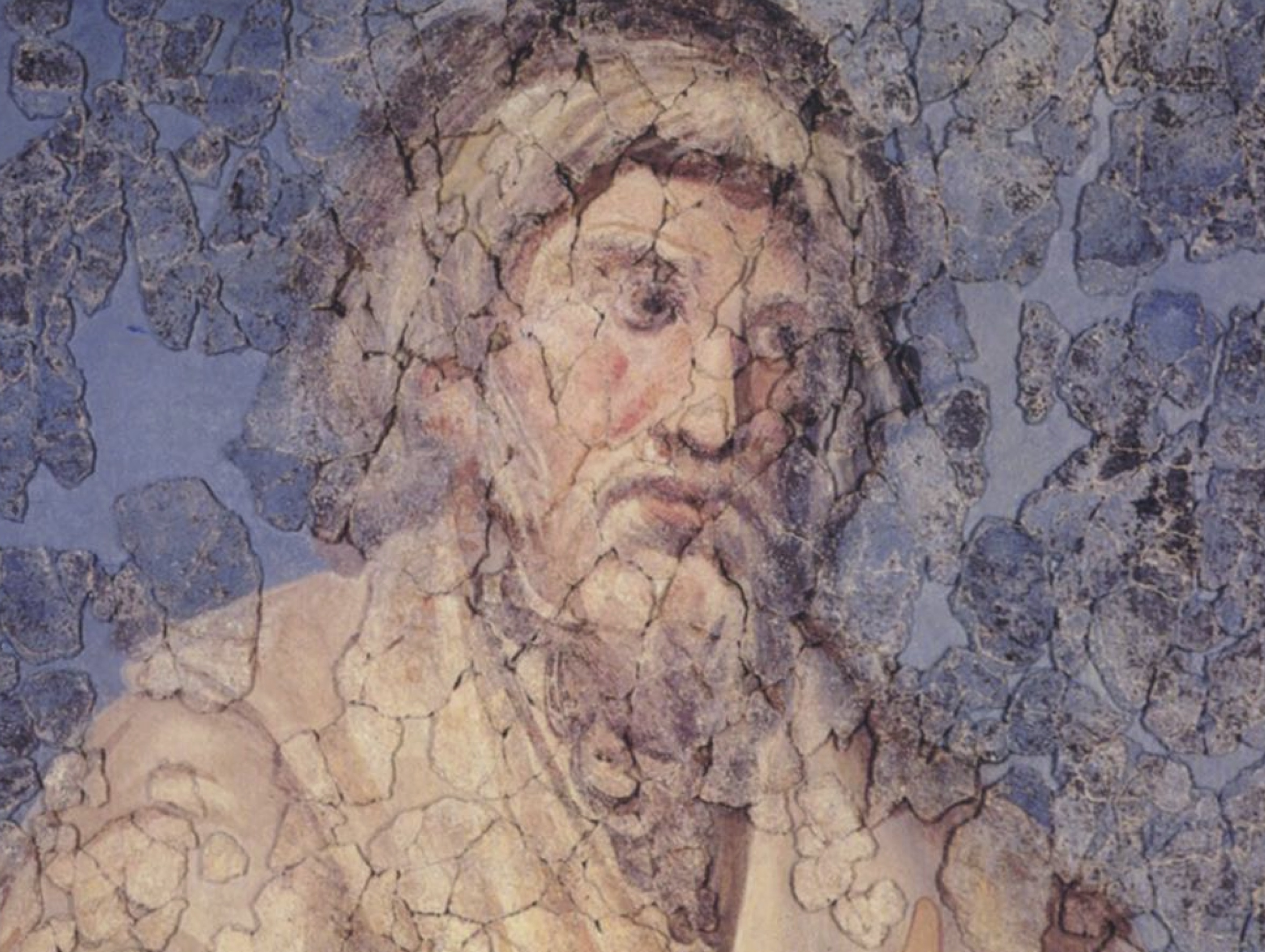
Why Apuleius Madaurensis matters
Apuleius Madaurensis matters as one of the small number of Latin prose writers of the Roman world whose major work survives complete, and as the author of the Metamorphoses, better known as The Golden Ass, which shaped how later centuries read allegory, magic, and the picaresque novel. He was not a visual artist and has no gallery, estate, or fine art auction market in the ordinary sense. This profile exists because his name recurs in the rare book and manuscript trade, where early printed editions of his text continue to change hands. Readers should treat the market data below as antiquarian book trade activity, not fine art valuation.
- Nationality
- Roman Numidian (Africa Proconsularis)
- Media
- Latin prose literature, Philosophy, Rhetoric
- Movement
- Second Sophistic, Middle Platonism
- Education
- Carthage (grammar and rhetoric); Athens (Platonic philosophy, poetry, geometry, music, dialectic). Some later biographical traditions add further study in Rome, though this is less firmly established than the Carthage and Athens periods. No degrees or formal credentials are documented.
- Signature motifs
- Metamorphosis and transformation, Picaresque narrative, Platonic allegory
By the numbers
- 2nd century Roman author, not a visual artistIdentityNo fine art auction market exists for this name
- c. 124 CE to after 170 CEKnown datesExact birth and death dates are unrecorded in any source
- Metamorphoses (The Golden Ass)Signature workOnly complete Latin novel to survive from antiquity
- EUR 2,800Highest documented saleCombined lot with a Hermes Trismegistus text, LiveAuctioneers, 2022-12-01; a separate 1521 Venice edition sold for GBP 1,493.52 at Forum Auctions, exact date unconfirmed
Selected works
Click any work to view it full screen.
Biography
Apuleius was born around 124 CE, with some standard reference sources placing his birth more loosely "in the 120s CE," in Madauros, a Roman colony in Numidia near modern M'Daourouch, Algeria. He received his early education in Carthage, studying grammar and rhetoric, then traveled to Athens for advanced study in Platonic philosophy, along with poetry, geometry, music, and dialectic. Some later biographical traditions add that he also studied rhetoric and oratory in Rome, though this is less firmly established than his education in Carthage and Athens. No record of a formal degree or academic credential survives; his education is reconstructed from his own writing and later biographical tradition rather than institutional records.
In the mid-2nd century CE, Apuleius married Pudentilla, a wealthy widow in Oea, in what is now Tripoli, Libya. Her relatives accused him of using magic to win her affection, and he was tried on a capital charge of witchcraft before the proconsul of Africa. His surviving defense speech, the Apologia, is the fullest record of the trial and is treated by modern historians as a substantially accurate account rather than fiction. He was acquitted. This episode is a documented part of the historical record and is presented here factually rather than as anecdote.
Apuleius went on to a public career in Carthage as a rhetorician and philosopher. According to his own later collection of speeches, the Florida, the city of Carthage decreed him a statue and conferred on him the chief priesthood of the province of Africa. His major surviving works include the Metamorphoses (The Golden Ass), the Apologia, the Florida, and philosophical works including De Deo Socratis and De Platone et eius dogmate.
The date, place, and circumstances of his death are not recorded. Standard reference sources place his last documented activity in the late 150s and 160s CE and state only that he died "probably after 170 CE." Some accounts extend the possible range as late as 180 or 190 CE, and one source guesses "about AD 180." No source gives an exact death date, place, or cause, and none of these later estimates can be treated as confirmed.
Critical reception
Modern reference sources consistently treat Apuleius as a major figure of Latin literature and Middle Platonist philosophy. Encyclopaedia Britannica and comparable standard biographical sources credit him chiefly as the author of the Metamorphoses, calling it a prose narrative whose influence persisted long after his death. Scholarly work, including a chapter in The Oxford Handbook to the Second Sophistic, places him among the leading Latin rhetoricians and philosophers of the 2nd century CE, active in Carthage and Africa Proconsularis through the late 150s and 160s. No exact, attributable quotations from named modern critics in major outlets could be verified for this profile, so none are reproduced here.
Market
Apuleius Madaurensis has no gallery or estate representation and no fine art auction record, because he was a writer and philosopher, not a visual artist. What functions as a market for his name is the antiquarian book trade in early printed editions of his Latin text, catalogued under variant name forms including Apuleius, Lucius Apuleius Madaurensis, and Apuleius Madaurensis, Lucius. The highest confirmed sale found in available auction records is a lot combining an Apuleius Madaurensis text with a Hermes Trismegistus text, sold via LiveAuctioneers on 1 December 2022 for EUR 2,800. A separate lot, a 1521 Venice edition of the Metamorphoseos, sive Lusus asini libri XI, sold at Forum Auctions in London for GBP 1,493.52, though the exact sale date could not be confirmed from available sources. Other recorded sales of editions of his work have been lower, including a Chiswick Auctions lot at GBP 125. These figures describe book trade activity, not the kind of fine art primary or secondary market this page format otherwise tracks.
Top auction results
| Work | Price | Sale |
|---|---|---|
| Apuleius Madaurensis and Hermes Trismegistus, Metamorphoseon (lot title as catalogued) (2022) | EUR 2,800 | LiveAuctioneers, 2022-12-01 |
| Metamorphoseos, sive Lusus asini libri XI (Venice, 1521 edition) | GBP 1,493.52 | Forum Auctions, London |
Museum collections
- The Metropolitan Museum of Art, New York (printed edition, The Golden Asse of Lucius Apuleius)
Awards and honors
- Statue decreed in his honor by the city of Carthage (recorded in his own Florida 16)
- Chief priesthood of the province of Africa, conferred by Carthage
Authentication and provenance
No catalogue raisonne.
No catalogue raisonne exists and no certificate of authenticity program applies, because Apuleius Madaurensis was a 2nd century Roman author and philosopher, not a visual artist. Editions and manuscripts of his texts are authenticated through ordinary bibliographic and codicological scholarship rather than studio or estate verification.
Primary reference: https://www.britannica.com/biography/Lucius-Apuleius
What collectors should know
Anyone encountering "Apuleius Madaurensis" in a market context should understand they are looking at the rare book and manuscript trade, not the fine art market. What sells are printed or manuscript editions of his Latin texts, cataloged under variant name forms including Apuleius, Lucius Apuleius Madaurensis, Apuleius Madaurensis, Lucius, and the Latin genitive Lucii Apuleii Madaurensis. There is no catalogue raisonne, no certificate of authenticity program, and no gallery or estate to verify a work against. Authentication of any given edition rests on ordinary bibliographic and codicological scholarship. Because his birth and death dates are themselves approximate in every major reference source, collectors should treat any precise date attached to his name with caution.
Further reading and resources
Data current as of 2026-07-16.

