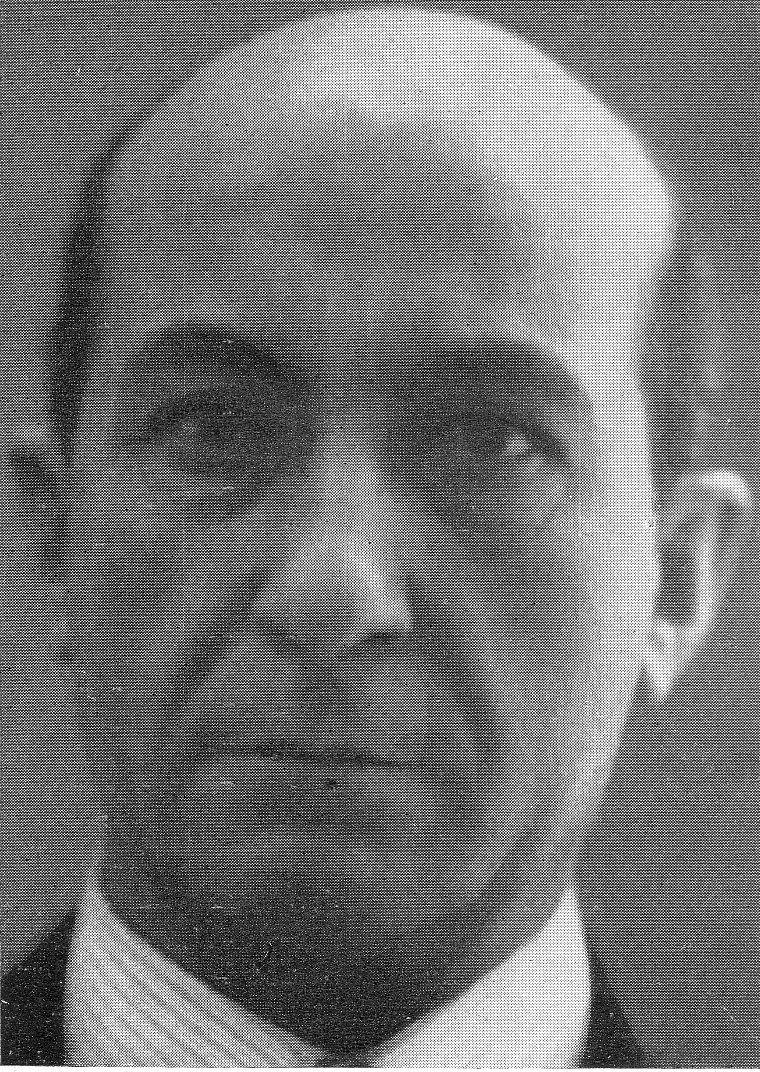
Why Ardengo Soffici matters
Ardengo Soffici was one of the principal conduits between the Paris avant-garde and the Italian art of the early twentieth century, carrying Cubist and Fauvist ideas back to Florence and helping shape Italian Futurism before turning, after the First World War, toward the classicizing "return to order" that fed into the Novecento italiano. He was as consequential as a writer and editor as he was as a painter, and his reputation today rests less on auction results than on a body of museum holdings and a dedicated museum in his name. For a collector, he is a case study in an artist whose historical importance is well established institutionally while the public auction record remains comparatively thin and only partly documented.
- Born
- 1879-04-07, Bombone, Rignano sull'Arno, Tuscany, Italy
- Nationality
- Italian
- Media
- Painting, Printmaking
- Movement
- Futurism, Cubism, Novecento Italiano
- Education
- Accademia di Belle Arti di Firenze, from 1897; Scuola Libera del Nudo, Florence, under Giovanni Fattori and Telemaco Signorini. No formal degree is documented in standard sources.
- Signature motifs
- Tuscan landscape, Cubist and Futurist still life
By the numbers
- 1879 to 1964LifespanBorn Rignano sull'Arno, Italy; died Forte dei Marmi, Italy
- EUR 6,600 plus feesDocumented auction sale'Il fabbricone III', Sant'Agostino Casa d'Aste, Turin (exact sale date not documented in public listing). A separate, higher figure of over EUR 150,000 for a 1913 Futurist canvas has been cited by one Italian valuation source but could not be confirmed with a work title, house, or date.
- Uffizi Galleries, 2016Major museum exhibitionScoperte e massacri. Ardengo Soffici e le avanguardie a Firenze
- Premio Marzotto, 1955Literary honor
Selected works
Click any work to view it full screen.
Biography
Soffici was born on 7 April 1879 in Bombone, near Rignano sull'Arno in Tuscany. His family moved to Florence around 1892, where he continued general schooling with the Scolopi fathers before turning to art. From 1897 he studied at the Accademia di Belle Arti di Firenze and later at the academy's Scuola Libera del Nudo, where Giovanni Fattori and Telemaco Signorini were among his teachers. No formal degree from this period is documented in standard biographical sources.
Around 1900 Soffici moved to Paris, where he remained until 1907, immersing himself in the circles around Montmartre and Montparnasse and coming to know Apollinaire, Picasso, Braque, and Modigliani. He exhibited with the Salon des Indépendants in 1902. Back in Italy, he became a central figure in Florentine literary and artistic journalism, writing for La Voce and later co-founding and editing Lacerba, one of the key organs of Italian Futurism, while also producing Cubist- and Futurist-inflected paintings. He served in the First World War, an experience that fed into his later writing.
After the war his work and criticism shifted toward a more classicizing, representational idiom associated with the broader European "return to order" and with the Novecento italiano current in Italian art. In 1939, on Mussolini's proposal, he was named an Accademico d'Italia (Royal Academy of Italy), reflecting his standing within Fascist-era cultural institutions. He continued to paint, write, and exhibit, and received the Premio Marzotto for literature in 1955 in recognition of his literary output. He died in August 1964 at Vittoria Apuana, a locality of Forte dei Marmi, Tuscany; sources differ on the exact day of death, giving either 12 or 19 August. He is buried in the cemetery of Poggio a Caiano, near Florence.
Critical reception
Institutional recognition of Soffici has centered on his role as a mediator of the European avant-garde into Italian art. The Gallerie degli Uffizi's 2016 exhibition, Scoperte e massacri: Ardengo Soffici e le avanguardie a Firenze, framed him as painter, writer, polemicist, and critic, and traced his part in introducing Cubist and Futurist ideas to Florence before his later turn toward a more ordered, representational style. No exact, independently verifiable quotation from a named critic in a major outlet could be confirmed for this profile, so none is reproduced here.
Market
Soffici's secondary market is modest in scale and concentrated among Italian auction houses. Documented results from Sant'Agostino Casa d'Aste in Turin include "Il fabbricone III" at EUR 6,600 plus fees, "Lettera d'amore" (1931, bronze) at EUR 1,500 plus fees, and "Marina" (1950, conte pencil) at EUR 800 plus fees; exact sale dates for these lots were not shown in the public listings available. Other houses, including Pandolfini and ArsValue, have carried his Tuscan landscapes and prints at similar low-thousands-to-mid-five-figure estimates. One Italian valuation platform states that his auction record exceeds EUR 150,000, for a 1913 Futurist composition on canvas, but does not name the work, the auction house, the location, or the sale date, and no other public source corroborates a sale at that level. Collectors should treat that higher figure as an unverified reference point rather than a confirmed record.
Top auction results
| Work | Price | Sale |
|---|---|---|
| Il fabbricone III (ante 1952) | EUR 6,600 plus buyer's premium | Sant'Agostino Casa d'Aste, Turin |
Selected exhibitions
| Years | Exhibition | Venues |
|---|---|---|
| 1902 | Salon des Indépendants | Paris |
| 2009 | Museo Ardengo Soffici e del '900 italiano opens | Poggio a Caiano, Prato |
| 2016 to 2017 | Scoperte e massacri. Ardengo Soffici e le avanguardie a Firenze | Gallerie degli Uffizi, Florence |
| 2024 | Contemporary Echoes: Rediscovering Italian Art from 1950 to 1980 | New York and Washington, D.C. |
| 2026 | Contemporary Echoes: Rediscovering Italian Art from 1950 to 1980 | BFF Gallery, Milan |
| ongoing | Permanent collection display | Estorick Collection of Modern Italian Art, London |
Museum collections
- Uffizi Galleries, Florence
- Estorick Collection of Modern Italian Art, London
- Museo Ardengo Soffici e del '900 italiano, Poggio a Caiano
- Banca d'Italia art collection
Awards and honors
- Premio Marzotto per la letteratura (Marzotto Prize for Literature) (1955)
- Accademico d'Italia (Reale Accademia d'Italia), appointment proposed by Benito Mussolini (1939)
Authentication and provenance
No catalogue raisonne.
No published catalogue raisonne has been identified for this artist. Works are typically situated through provenance, exhibition history, and the archive held by the Museo Ardengo Soffici e del '900 italiano in Poggio a Caiano.
Primary reference: https://cultura.gov.it/luogo/museo-ardengo-soffici
What collectors should know
No catalogue raisonne has been identified for Soffici, and no current commercial gallery or estate representation could be confirmed as of this writing; the strongest institutional anchor is the Museo Ardengo Soffici e del '900 italiano in Poggio a Caiano, a museum dedicated entirely to his work, alongside holdings at the Uffizi, the Estorick Collection in London, and the Banca d'Italia art collection. His auction activity is real but thin and documented mainly through Italian houses, so any single sale result, including the widely cited but incompletely documented figure above EUR 150,000, should be weighed against the small and inconsistent public sales record rather than treated as a stable benchmark.
Further reading and resources
Data current as of 2026-07-18.

