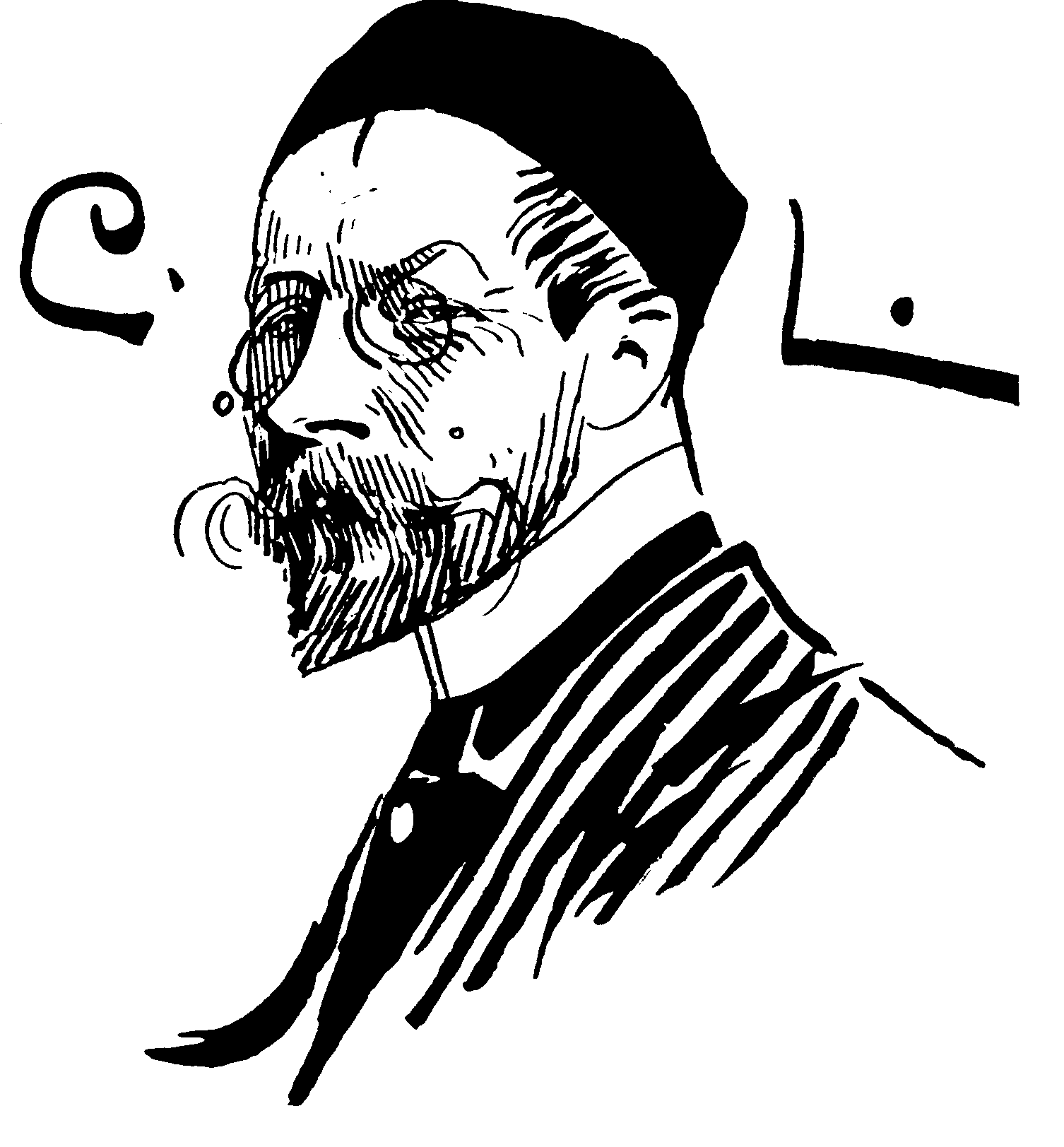
Why Carl Larsson matters
Carl Larsson is one of Sweden's most widely recognized artists, credited with shaping the popular image of the ideal Swedish home through his watercolors of family life at Sundborn. For a collector, he represents a historical, museum-anchored market: broad institutional holdings and strong cultural standing in Sweden, paired with a comparatively thin and geographically concentrated auction record.
- Born
- 1853-05-28, Stockholm (Gamla Stan), Sweden
- Nationality
- Swedish
- Media
- Watercolor, Oil painting, Illustration, Mural
- Movement
- Arts and Crafts movement, Swedish National Romanticism
- Education
- Royal Swedish Academy of Arts, Stockholm, enrolled c. 1866, promoted to the academy's antique school in 1869; no degree conferred.
- Signature motifs
- Domestic watercolors of family life, Sundborn interiors and garden scenes, Swedish national-romantic imagery
- Representation
- No current gallery or estate representation confirmed; the artist's home and archive are stewarded by Carl Larsson-gården, Sundborn, run by descendants
By the numbers
- USD 1.2MAuction highReported high for a work on paper (MutualArt); exact work, house, and sale date unconfirmed
- Petit Palais, ParisMajor retrospective2014 to 2015
- Carl Larsson-gårdenEstate stewardshipSundborn, Sweden
Selected works
Click any work to view it full screen.
Biography
Carl Larsson was born Carl Olof Larsson on 28 May 1853 in the Gamla Stan district of Stockholm, into a poor family. A teacher at the school he attended for poor children recognized his talent and urged him to apply to the Royal Swedish Academy of Arts, which admitted him around 1866; he was promoted to the academy's antique school in 1869. To support himself he worked as a photo retoucher and as a caricaturist and illustrator for Swedish newspapers and magazines, including Kasper and Ny Illustrerad Tidning.
In his late twenties Larsson moved to Paris and then to the artists' colony at Grez-sur-Loing, where he met the painter Karin Bergöö. The two married in 1883, and their first child was born the following year. The family returned to Sweden in 1888 and settled at Lilla Hyttnäs, the house in Sundborn, Dalarna, that Karin transformed into the domestic setting for many of Carl's best-known watercolors. Larsson also undertook large public commissions, including monumental frescoes for the Nationalmuseum in Stockholm such as Gustav Vasa's Entry into Stockholm and the later, initially rejected Midvinterblot (Midwinter Sacrifice), which is now on permanent display there.
Larsson's health declined in his later years, and he died of a cerebral hemorrhage on 22 January 1919 in Falun, Sweden. He had completed the manuscript for his autobiography, Jag, which was published posthumously. He is buried in Sundborn Churchyard alongside his wife, Karin Larsson. Lilla Hyttnäs, now known as Carl Larsson-gården, remains in the family and operates as a museum.
Critical reception
Larsson is consistently described in Swedish and international sources as one of Sweden's most beloved and influential artists, and as a central figure in shaping the country's Arts and Crafts era visual identity. His watercolors of the house and garden at Sundborn, alongside his wife Karin's textile and interior designs, are widely credited with defining an enduring popular image of the ideal Swedish home. His large-scale history paintings for the Nationalmuseum, including Midvinterblot, show a more ambitious, and at the time more contested, side of his work; the painting was initially rejected before later entering the museum's permanent collection. An exhibition at the Petit Palais in Paris, held 2014 to 2015 and presented as the artist's first substantial monographic show in France, extended his reputation beyond Scandinavia. No verified verbatim critical assessments from named critics in major outlets could be confirmed for this profile.
Market
Larsson's auction market centers on Scandinavian and European sales, with occasional appearances at the major international houses. Market aggregator MutualArt reports his highest realized results at approximately USD 1.2 million for a work on paper and approximately USD 979,000 for a painting, though the specific work, sale house, and sale date behind the top figure could not be independently confirmed. His market has no confirmed gallery or estate representation in the conventional commercial sense; works instead move through auction houses such as Sotheby's and Bukowskis and through secondary-market dealers, while the family-run Carl Larsson-gården in Sundborn stewards the artist's historic home, archive, and reputation.
Top auction results
| Work | Price | Sale |
|---|---|---|
| Unconfirmed (reported high for a work on paper) | USD 1,207,078 |
Selected exhibitions
| Years | Exhibition | Venues |
|---|---|---|
| 2014 to 2015 | Carl Larsson, L'imagier de la Suède | Petit Palais, Paris |
| 1890s to 1900s | Nationalmuseum stairwell frescoes (Gustav Vasa's Entry into Stockholm; Midvinterblot) | Nationalmuseum, Stockholm |
| Ongoing | Permanent collection display | Carl Larsson-gården, Sundborn |
| Ongoing | Permanent collection display | Thielska Galleriet, Stockholm |
| Ongoing | Permanent collection display | Gothenburg Museum of Art |
| Ongoing | Collection spotlight, Esbjörn som Tänkare | American Swedish Institute, Minneapolis |
| Ongoing | Permanent collection display | Ordrupgaard, Copenhagen |
Museum collections
- Nationalmuseum, Stockholm
- Thielska Galleriet, Stockholm
- Gothenburg Museum of Art
- Ordrupgaard, Copenhagen
- American Swedish Institute, Minneapolis
- Carl Larsson-gården, Sundborn
Authentication and provenance
No catalogue raisonne.
No published catalogue raisonne has been confirmed. Attribution and provenance work typically rely on museum records, exhibition history, and the family archive maintained at Carl Larsson-gården in Sundborn.
Primary reference: https://www.sothebys.com/en/artists/carl-larsson
What collectors should know
No catalogue raisonne for Larsson has been confirmed, so attribution and provenance research typically rely on museum records, exhibition history, and the family archive at Carl Larsson-gården. His auction market is comparatively thin and concentrated in Scandinavia and other parts of Europe, so individual results can vary widely depending on subject matter, medium, and provenance; the intimate domestic watercolors that made his reputation tend to command the strongest prices. Because no gallery or estate formally represents the artist commercially, collectors should treat auction houses and reputable Scandinavian dealers, rather than any single representing entity, as the primary market channel.
Further reading and resources
Data current as of 2026-07-11.

