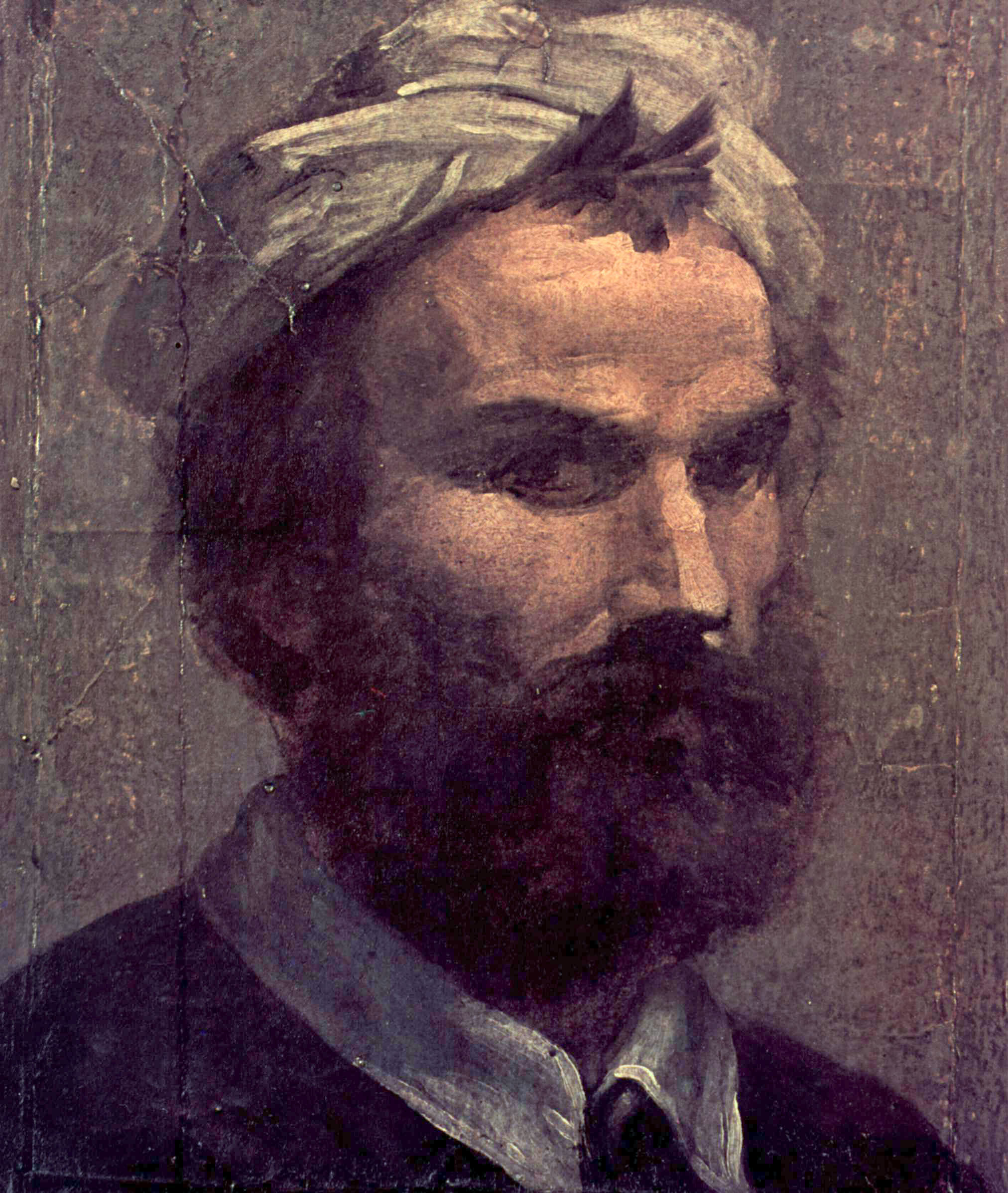
Why Domenico Beccafumi matters
Domenico Beccafumi is one of the two artists, alongside Sodoma, most closely associated with Sienese painting in the early sixteenth century, and a leading figure of early Mannerism. He was the official painter to the Republic of Siena and the author of its town hall fresco cycle, and he later devoted much of his late career to sculpture, including bronze angels for Siena Cathedral. For collectors, he represents a case where museum and scholarly standing, built over five centuries, is the primary form of validation, since he rarely appears at auction and left no catalogue raisonne.
- Nationality
- Italian
- Media
- Painting, Fresco, Sculpture, Printmaking
- Movement
- Mannerism, Sienese School
- Education
- Apprenticed with a Sienese painter under the patronage of Lorenzo Beccafumi, from whom he took his surname. Studied in Rome c. 1510 to 1512, and again in 1519, after the works of Michelangelo, Raphael, and Baldassare Peruzzi. No formal academy degree is documented.
- Signature motifs
- Dramatic chiaroscuro and color, Fresco narrative cycles on ancient history, Bronze relief sculpture
By the numbers
- c. 1486 to 1551LifespanBirth year is disputed across sources, ranging c. 1484 to 1486; died in Siena, with some secondary sources giving 18 May 1551
- DeceasedStatusHistorical Old Master; no living estate or gallery representation
- Sala del ConcistoroMajor commissionFresco cycle, Palazzo Pubblico, Siena
- None publishedCatalogue raisonneAttribution rests on museum scholarship and archival documentation
Selected works
Click any work to view it full screen.
Biography
Domenico Beccafumi was born, most likely around 1486 (museum and reference sources vary between about 1484 and 1486), in Montaperti, near Siena. He was originally named Domenico di Giacomo di Pace and, according to Giorgio Vasari, was the son of a farmer; he took the surname Beccafumi from Lorenzo Beccafumi, the Sienese landowner who recognized his talent and supported his early training. He apprenticed with a minor Sienese painter before traveling to Rome around 1510 to 1512, and again in 1519, to study the work of Michelangelo, Raphael, and Baldassare Peruzzi.
He returned to Siena, where he spent the rest of his career. In the late 1520s he was appointed official painter to the Republic of Siena and received a large number of commissions for the city's churches. His best known works are the frescoes on themes from ancient history that he painted for the Sala del Concistoro in the Palazzo Pubblico, the seat of the Sienese government. He also contributed to the celebrated inlaid marble pavement of the Duomo di Siena, worked on between 1518 and 1546, and painted a fresco on the life of Medea and Jason for Prince Andrea Doria in Genoa in 1541, now lost. In his later years he turned increasingly to sculpture, producing a series of bronze angels for Siena Cathedral commissioned around 1548, alongside continued work as a draughtsman, illuminator, and printmaker. He died in Siena; modern reference sources place his death in May 1551, with some secondary compilations giving the more specific date of 18 May 1551, though the exact day is not confirmed by a primary parish or civic record.
Critical reception
Standard art historical references place Beccafumi among the founders of Mannerism. Encyclopaedia Britannica identifies him as a leader in the post Renaissance style known as Mannerism. The National Gallery in London describes him, together with Sodoma, as one of the leading Sienese painters of the early sixteenth century, and connects his name above all with the town hall frescoes in Siena. The Museo Nacional Thyssen-Bornemisza calls him one of the outstanding representatives of Tuscan Mannerism, pointing to his experimentation with light and emotional tension as qualities that anticipate later Mannerist painting. The J. Paul Getty Museum characterizes him as an inventive and versatile artist across oil painting, fresco, drawing, and printmaking. No signed, verbatim review from a named modern critic in a major outlet could be confirmed for this profile; the assessments above are institutional rather than individual critical voices, but they are consistent in placing him at the center of the Sienese school.
Market
Beccafumi's market is essentially that of a museum artist rather than an actively traded one. The great majority of his surviving output, the Palazzo Pubblico frescoes, the Duomo pavement designs, and the Siena Cathedral bronzes, is fixed in place in Sienese civic and religious buildings and was never available to the market. What does appear at auction is mostly drawings and smaller studio or circle attributed works. A documented example is a work catalogued as circle of Domenico Beccafumi, The Virgins of Croton, which sold for EUR 2,816 including fees at im Kinsky in Vienna; the exact sale date is not confirmed in the sources reviewed. Other lots catalogued as circle of or attributed to Beccafumi have sold at similarly modest levels. The auction aggregator MutualArt lists a realized high of USD 6,488,551 for a painting attributed to the artist, but does not disclose the specific title, auction house, location, or sale date behind that figure, so it cannot be independently verified as a confirmed record and should be treated with caution.
Selected exhibitions
| Years | Exhibition | Venues |
|---|---|---|
| 1510 to 1512 | Study travel in Rome | Rome, studying Michelangelo, Raphael, and Baldassare Peruzzi |
| 1519 | Second Rome sojourn | Rome |
| 1520s to 1530s | Sala del Concistoro fresco cycle | Palazzo Pubblico, Siena |
| late 1520s | Appointed official painter to the Republic of Siena | Siena |
| 1518 to 1546 | Marble inlay pavement designs | Duomo di Siena (Siena Cathedral) |
| 1541 | Fresco of the life of Medea and Jason (now lost) | Genoa, for Prince Andrea Doria |
| c. 1548 to 1551 | Bronze angels | Duomo di Siena (Siena Cathedral) |
| Present | Works in permanent collection | Metropolitan Museum of Art, New York; J. Paul Getty Museum; National Gallery, London |
Museum collections
- Metropolitan Museum of Art, New York
- J. Paul Getty Museum, Los Angeles
- National Gallery, London
- Duomo di Siena (Siena Cathedral, in-situ commissions)
Authentication and provenance
No catalogue raisonne.
No published catalogue raisonne has been confirmed for Beccafumi. Attribution and authentication rest on museum scholarship, archival and documentary research, and comparison with securely documented civic and ecclesiastical commissions in Siena. Many works, particularly drawings, carry qualified attributions such as circle of or attributed to.
Primary reference: https://www.britannica.com/biography/Domenico-Beccafumi
What collectors should know
Beccafumi is a historical Old Master with no living estate, foundation, or gallery representation; his work is handled through museums and, occasionally, Old Master specialists at auction rather than a commercial primary market. No catalogue raisonne has been confirmed, so attribution depends on museum scholarship and archival documentation, and works are frequently qualified as "circle of" or "attributed to" rather than firmly assigned to the artist's own hand. His name also appears in market and reference databases in variant forms, including Domenico di Pace Beccafumi and Domenico Beccafumi il Mecarino; these all refer to the same individual, and there is no evidence of a separate, similarly named artist active in the market. Given how rarely his work reaches auction and how thin the publicly documented price history is, any headline price figure attached to his name should be checked against a named lot, house, and date before it is treated as reliable.
Further reading and resources
Data current as of 2026-07-09.

