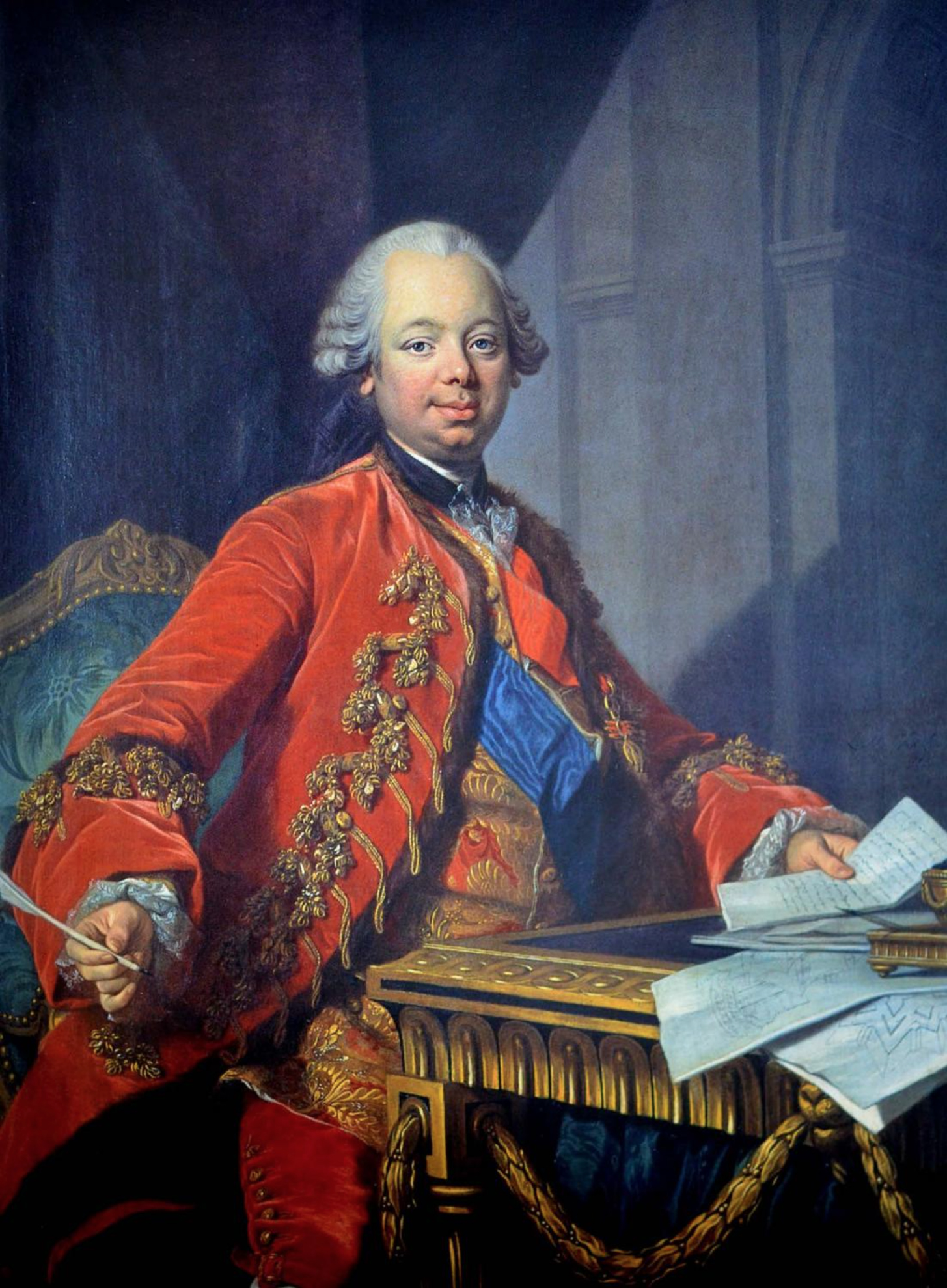
Why Etienne Drian matters
Etienne Drian was one of the defining draughtsmen of French Art Deco fashion illustration, a contributor to the illustrated magazines that shaped how the elegant Parisienne of the 1910s and 1920s was pictured. His name also serves as a useful case study for collectors in a different sense: he is a historically documented artist whose exact market record is not well established in public sources, which makes careful, source-by-source verification more important than any single dealer's claim.
- Nationality
- French
- Media
- Illustration, Fashion illustration, Printmaking, Painting
- Movement
- Art Deco, Fashion illustration
- Education
- Academie Julian, Paris (exact years not documented)
- Signature motifs
- Elegant Parisiennes, Art Deco fashion plates, Fluid line drawing with wash
- Representation
- No confirmed current gallery or estate representation identified
By the numbers
- Academie Julian, ParisTrainingExact years not documented
- Metropolitan Museum of ArtMuseum collectionIllustration, object record
- c. 1900s to 1950s, ParisActive periodApproximate, inferred from documented career span
Selected works
Click any work to view it full screen.
Biography
Etienne Drian was born Adrien Desire Etienne in 1885 in Bulgneville, in the Vosges department of Lorraine, France, the son of a gendarmerie brigadier. He studied at the Academie Julian in Paris, where he adopted the professional name Drian. He became known as a fashion and decorative illustrator, contributing to publications including the Gazette du Bon Ton and later to Harper's Bazaar, and he worked across drawing, printmaking, painting, and stage decoration during a career centered on Paris in the first half of the twentieth century. His work is closely associated with the visual language of Art Deco, particularly elegant, stylized depictions of Parisian women.
Etienne Drian died in 1961 in Pontoise, France. French reference sources place his death in August of that year, though no source consulted gives the exact day. He was about 75 years old.
Some secondary-market listings give inconsistent life dates, including one dealer catalogue citing 1890 to 1965. The 1885 to 1961 span is the one supported by the Metropolitan Museum of Art, French reference works, and multiple independent art-market databases, and it is the version used here.
Critical reception
Standard French reference works describe Drian as a skilled interpreter of Art Deco fashion illustration, placing him among the notable early twentieth-century French illustrators of Parisian couture publications. Writing on the history of fashion illustration has similarly framed him as holding a distinct place in that field. Beyond these characterizations, no exact, attributable critical quotation from a named critic in a major outlet could be confirmed for reproduction here.
Market
Public auction data for Etienne Drian is thin and inconsistently documented. Works, mainly etchings, drypoints, and fashion drawings, have sold in recent years through houses including Sloans & Kenyon, Geneve Encheres, Pierre Berge & Associes, and Paris Ouest Encheres, and a price-guide aggregator lists eight recorded results for his name. None of the sources reviewed publishes a verified, sourced figure for his all-time auction high with a confirmed price, currency, house, and date, so no record price is asserted here.
Museum collections
- The Metropolitan Museum of Art, New York
Authentication and provenance
No catalogue raisonne.
No catalogue raisonne has been identified for this artist, and no dedicated foundation or estate authentication program appears in current public sources. Works are handled mainly through auction houses and secondary-market dealers, so provenance research on a case-by-case basis is the practical standard.
Primary reference: https://www.metmuseum.org/art/collection/search/341605
What collectors should know
Etienne Drian is a historical, secondary-market artist rather than one with active primary gallery representation, and no catalogue raisonne or estate authentication body has been identified. Collectors should expect to rely on auction house cataloguing and dealer research for provenance, and should be aware that at least one dealer listing circulates incorrect life dates. Because a verified all-time auction record cannot currently be confirmed from public sources, any price claim attached to his name should be checked directly against the originating sale record rather than taken from secondary listings.
Further reading and resources
Data current as of 2026-07-18.

