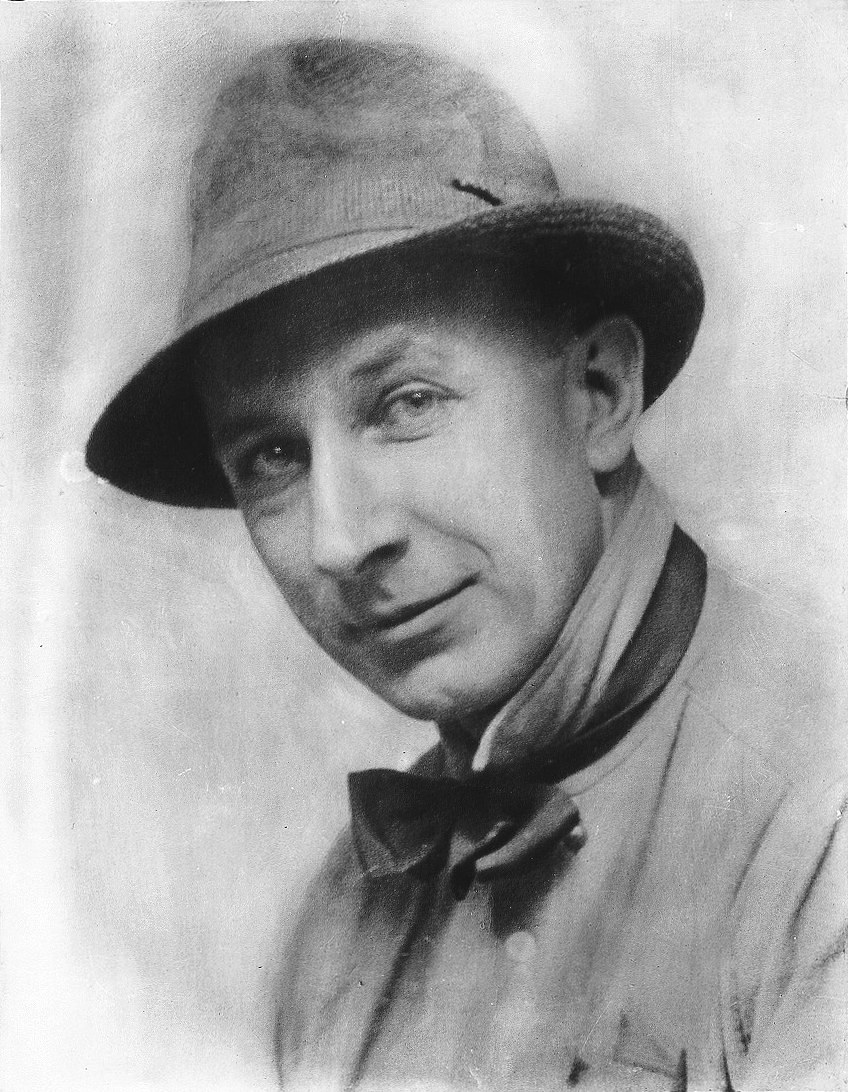
Why George Bellows matters
George Bellows is one of the central figures of American Realism and the Ashcan School, the loose group of painters who turned early twentieth century New York's streets, tenements, docks, and boxing clubs into serious subject matter for painting. His boxing pictures, especially the club scenes at Sharkey's, remain among the most recognized images in American art, and his death at forty two, at the height of his reputation, has made him a fixed reference point in surveys of the period. For a collector, he represents a historical, museum anchored market: the record price is real and well documented, but Bellows works trade rarely, and most of his major output now sits in institutional collections rather than on the market.
- Born
- 1882-08-12, Columbus, Ohio, USA
- Nationality
- American
- Media
- Painting, Printmaking
- Movement
- Ashcan School, American Realism
- Education
- Ohio State University, attended to 1904, no degree; New York School of Art, from 1904, studied under Robert Henri and William Merritt Chase
- Signature motifs
- Boxing scenes, Urban and tenement life, Seascapes and cliffs
- Representation
- Schoelkopf Gallery, Kiechel Fine Art, Debra Force Fine Art
By the numbers
- USD 27.5MAuction highPolo Crowd, Sotheby's New York, December 1999
- Associate Member, 1908National Academy of DesignSecond Hallgarten Prize, 1908; bronze medal, Carnegie Institute, 1914; first prize, National Arts Club, 1921
- 9 works exhibitedArmory Show, 1913New York, 1913
- Reported in 38 museums worldwideMuseum collectionsPer a published survey; not independently verified institution by institution
Selected works
Click any work to view it full screen.
Biography
George Wesley Bellows was born on August 12, 1882 in Columbus, Ohio, and entered Ohio State University. He left Ohio State in 1904, short of graduation, and moved to New York, where he enrolled at the New York School of Art (sometimes called the Chase School) and studied under Robert Henri and William Merritt Chase. Henri's emphasis on painting everyday urban life shaped Bellows's direction almost immediately, and by his mid twenties he was producing the tenement, river, and boxing scenes that define his reputation, including Stag at Sharkey's.
His standing rose quickly within the establishment he would later be seen as challenging. He won the Second Hallgarten Prize at the National Academy of Design in 1908 and was elected an Associate member the same year. He went on to receive a bronze medal from the Carnegie Institute in 1914 and first prize from the National Arts Club in 1921. In 1913 he also exhibited nine works in the Armory Show, the landmark exhibition of modern art in New York, as a member of the Association of American Painters and Sculptors. Through the 1910s and into the 1920s he continued to show regularly at the National Academy, the Pennsylvania Academy of the Fine Arts, the Art Institute of Chicago, and the Corcoran Biennials.
Bellows died on January 8, 1925, at Post Graduate Hospital in New York City, at age forty two. The New York Times obituary and later museum accounts, including the Metropolitan Museum of Art, attribute his death to complications from a ruptured appendix that developed into peritonitis. He was regarded at the time of his death as one of the leading American painters of his generation, and the Metropolitan Museum organized the first comprehensive retrospective of his work in nearly fifty years in 2012, which traveled to the National Gallery of Art in Washington, D.C.
Critical reception
When George Bellows died at the age of forty two in 1925, he was hailed as one of the greatest artists America had yet produced.
Bellows was recognized during his lifetime through the National Academy of Design's own ladder of honors, beginning with the Second Hallgarten Prize and Associate membership in 1908, and through later recognition from the Carnegie Institute in 1914 and the National Arts Club in 1921, as well as his inclusion in the 1913 Armory Show, placing him at the meeting point of academic respect and the new modernism. Writing on the occasion of its 2012 exhibition, the National Gallery of Art described him this way: "When George Bellows died at the age of forty two in 1925, he was hailed as one of the greatest artists America had yet produced." Later scholarship and museum programming, including the Metropolitan Museum's 2012 to 2013 retrospective and a 2026 group exhibition at the National Gallery in London pairing him with the Ashcan painters, have kept that framing largely intact: Bellows as the artist who made unglamorous urban and working class subjects, boxing above all, into major painting.
Market
Bellows's auction record is Polo Crowd, an oil on canvas of 1910, which sold for USD 27.5 million at Sotheby's New York in December 1999, reportedly to the collector Bill Gates; at the time it set a record for an American painting at auction. One source (the Wall Street Journal) cites a slightly different figure of USD 27.7 million for the same sale, likely reflecting how buyer's premium is counted; the USD 27.5 million figure is used here because it is corroborated by Sotheby's own artist page and by Wikipedia. Sotheby's also lists Men of the Dock, a separate Bellows painting, at USD 25.5 million, which appears to be the artist's second-highest recorded auction price rather than an alternate report of the Polo Crowd sale. No later Bellows sale has been documented at or above the Polo Crowd level as of this writing.
There is no single gallery or estate representative that exclusively handles Bellows's work today. His paintings and prints move through the secondary market and periodic exhibitions, with galleries including Schoelkopf Gallery, Kiechel Fine Art, and Debra Force Fine Art having shown or sold his work in recent years. The bulk of his most important paintings now sit in museum collections, led by the Columbus Museum of Art, which opened a dedicated Bellows Center in 2025, along with the National Gallery of Art, the Metropolitan Museum of Art, the Hirshhorn Museum, and the Los Angeles County Museum of Art.
Top auction results
| Work | Price | Sale |
|---|---|---|
| Polo Crowd (1910) | USD 27,500,000 (USD 27,500,000) | Sotheby's, New York |
Selected exhibitions
| Years | Exhibition | Venues |
|---|---|---|
| 2026 | An American Experiment: George Bellows and the Ashcan Painters | The National Gallery, London |
| 2012 to 2013 | George Bellows | Metropolitan Museum of Art, New York |
| 2012 | George Bellows | National Gallery of Art, Washington, D.C. |
| 1913 | Armory Show (International Exhibition of Modern Art) | New York |
| 1907 to 1918 | Annual exhibitions | National Academy of Design, New York |
| 1908 to 1924 | Annual exhibitions | Art Institute of Chicago |
| 1910 to 1923 | Corcoran Biennials | Corcoran Gallery of Art, Washington, D.C. |
| 2025 | Launch of The Bellows Center | Columbus Museum of Art, Columbus, Ohio |
Museum collections
- Columbus Museum of Art (The Bellows Center)
- Los Angeles County Museum of Art
- National Gallery of Art, Washington, D.C.
- Metropolitan Museum of Art, New York
- Hirshhorn Museum and Sculpture Garden, Washington, D.C.
Awards and honors
- First prize, National Arts Club (1921)
- Bronze medal, Carnegie Institute (1914)
- Associate Member, National Academy of Design (1908)
- Second Hallgarten Prize, National Academy of Design (1908)
Authentication and provenance
No catalogue raisonne.
No published catalogue raisonne of Bellows's paintings has been confirmed in current research. Attribution and authentication rely on documentation held by major auction houses and by the artist's principal museum holders, including the Columbus Museum of Art and the National Gallery of Art.
Primary reference: https://www.nga.gov/artists/940-george-bellows
What collectors should know
No catalogue raisonne of Bellows's paintings has been confirmed in current research, so provenance and documentation from major auction houses and the museums that hold his principal works carry unusual weight in authentication. His market is thin by transaction count and concentrated at the top: a single 1999 sale still defines the ceiling more than a quarter century later, and there is no confirmed estate gallery consolidating supply or setting current asking prices. Because so much of his best work is already in institutional hands, collectors should expect infrequent opportunities and should weigh any offered work against its exhibition and ownership history rather than against a smooth price trend.
Further reading and resources
Data current as of 2026-07-09.

