Govert Flinck
Dutch (Dutch Golden Age painter, born in the Duchy of Cleves), 1615 to 1660
Painting
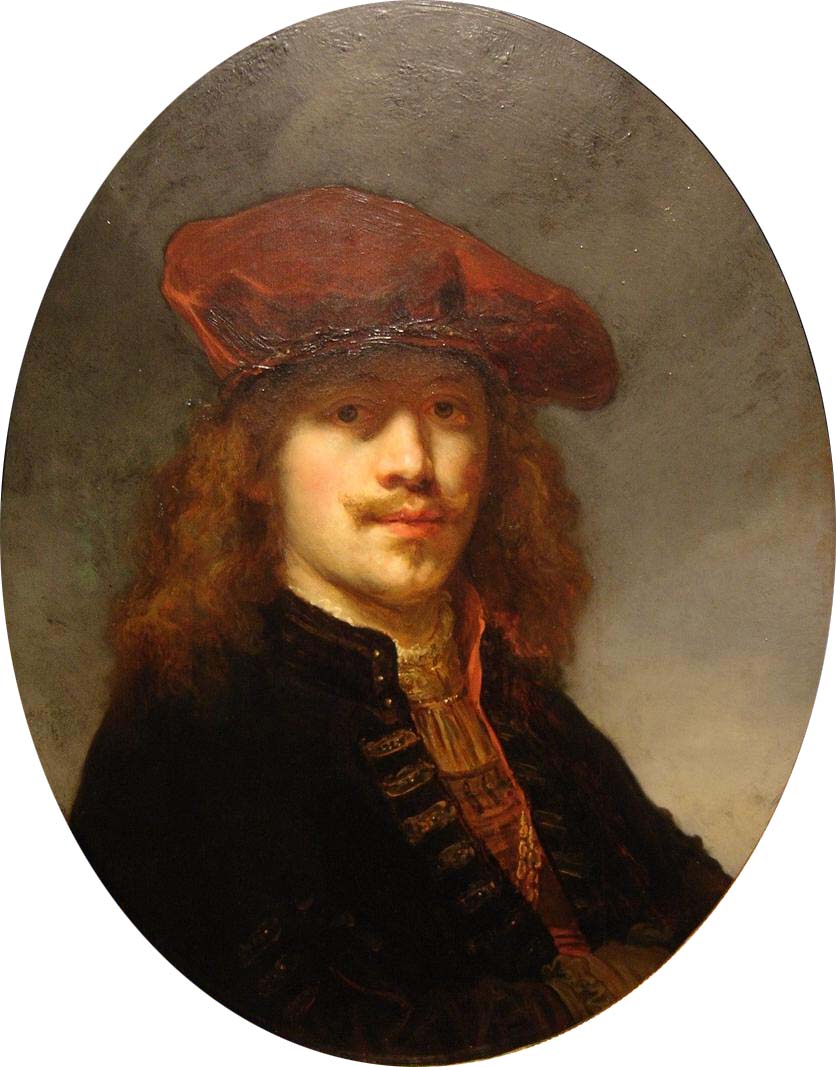
Why Govert Flinck matters
Govert Flinck was one of Rembrandt's most accomplished pupils and, by the account of his own contemporaries, one of the most celebrated portrait and history painters working in Amsterdam during the Dutch Golden Age. He received one of the era's most prestigious civic commissions available to a painter, the commission to decorate the new Amsterdam Town Hall, alongside major work for the city's civic guard halls. His paintings now sit in the world's leading museums, from the Rijksmuseum to the Metropolitan Museum of Art, making him a useful case study in how an Old Master's reputation can rest almost entirely on institutional standing and documentary scholarship rather than on a modern, gallery-driven market.
- Born
- 1615-01-25, Kleve, Duchy of Cleves (present-day Germany)
- Nationality
- Dutch (Dutch Golden Age painter, born in the Duchy of Cleves)
- Media
- Painting
- Movement
- Dutch Golden Age, Baroque
- Education
- Apprenticed with Lambert Jacobsz, Leeuwarden, circa 1629 to 1635; trained in Rembrandt's studio, Amsterdam, circa 1635 to 1636
- Signature motifs
- "Portraiture in the manner of Rembrandt", "Biblical and allegorical history painting"
By the numbers
- USD 10,327,500Auction highAn Old Man at a Casement; the auction house and exact sale date are not confirmed in current research
- 1660DiedAmsterdam, at age 45
- Rembrandt van RijnStudio trainingAmsterdam, circa 1635 to 1636
- Museum Kurhaus Kleve, 2015 to 2016Major retrospectiveFirst Flinck retrospective in more than fifty years
Biography
Govert Flinck was born on 25 January 1615 in Kleve, then part of the Duchy of Cleves and today in Germany. His father, a cloth merchant, initially apprenticed him to the same trade, but at about age fourteen Flinck was sent to Leeuwarden to study painting with Lambert Jacobsz, a Mennonite preacher and painter, in an apprenticeship generally dated to about 1629 to 1635. He then moved to Amsterdam to complete his training in Rembrandt's studio, where the most specific scholarly estimates place him for about a year, circa 1635 to 1636. By 1636, around age twenty one, he was working as an independent master.
Flinck spent the rest of his career in Amsterdam, where his portraits and history paintings brought him rapid success. He undertook major commissions for the city's civic guard headquarters, the Kloveniersdoelen, and built a busy portrait practice among Amsterdam's elite. Late in his career Flinck won the prestigious commission to provide large history paintings for the new Amsterdam Town Hall. He died in Amsterdam on 2 February 1660, at age 45, before substantial work on that commission could begin.
Critical reception
Modern scholarship consistently treats Flinck as one of the strongest painters to emerge from Rembrandt's Amsterdam studio. CODART, the international council for Dutch and Flemish art, describes Flinck as one of the most celebrated painters of his time in Amsterdam and one of Rembrandt's most gifted pupils, and notes that his contemporary fame is said to have outstripped his teacher's during his own lifetime. The National Gallery in London likewise emphasizes his early contemporary success and the major public commissions that followed it. The Rembrandt House Museum's 2017 to 2018 exhibition pairing Flinck with fellow pupil Ferdinand Bol, and the 2015 to 2016 Kleve retrospective that preceded it, the first devoted to Flinck in more than fifty years, have both renewed art historical attention to a painter whose civic and courtly commissions once rivaled Rembrandt's own.
Market
Flinck's market is that of a documented but thinly traded Old Master. Market databases identify An Old Man at a Casement as his auction record, with a hammer price of USD 9,000,000 and a total of USD 10,327,500 including premium; this figure is corroborated by both Artprice and MutualArt, though neither source states the sale's exact date or auction house, and that detail could not be confirmed for this profile. Lempertz in Cologne has recorded two other notable results, Landscape with a Stone Bridge at EUR 150,000 and Tronie of a Boy at EUR 138,600, both well below the confirmed record and both listed without exact sale dates in the house's public index. There is no dedicated catalogue raisonne of Flinck's paintings; authentication and cataloguing rest on museum scholarship, most notably the research produced for the 2015 to 2016 Kleve retrospective.
Top auction results
| Work | Price | Sale |
|---|---|---|
| An Old Man at a Casement | USD 10,327,500 | |
| Landscape with a Stone Bridge | EUR 150,000 | Lempertz, Cologne |
Selected exhibitions
| Years | Exhibition | Venues |
|---|---|---|
| 2015 to 2016 | Govert Flinck 1615 to 1660 | Museum Kurhaus Kleve, Kleve, Germany |
| 2017 to 2018 | Ferdinand Bol and Govert Flinck: Rembrandt's Master Pupils | Rembrandt House Museum, Amsterdam |
Museum collections
- Rijksmuseum, Amsterdam
- Mauritshuis, The Hague
- National Gallery, London
- Metropolitan Museum of Art, New York
- Museo Thyssen-Bornemisza, Madrid
- The State Hermitage Museum, St. Petersburg
- British Museum, London
- Rembrandt House Museum, Amsterdam
Authentication and provenance
No catalogue raisonne.
No published catalogue raisonne of Govert Flinck's paintings has been confirmed. Attribution rests on museum scholarship and connoisseurship, including the research behind the 2015 to 2016 Museum Kurhaus Kleve retrospective, the first monographic exhibition of his work in more than fifty years.
Primary reference: https://www.nationalgallery.org.uk/artists/govert-flinck
What collectors should know
Flinck is a museum-anchored Old Master rather than an artist with an active commercial gallery market; no gallery or estate currently represents him, and public sales are infrequent. Collectors should treat any single auction result with caution: the confirmed record for An Old Man at a Casement (USD 10,327,500, per Artprice and MutualArt) lacks a published sale date or auction house, and most other documented results, such as the Lempertz sales in Cologne, are far lower and also lack exact dates. The absence of a published catalogue raisonne means provenance and attribution should be checked against museum and auction house Old Master scholarship. Because the artist is catalogued under two accepted spellings, Govert Flinck and Govaert Flinck, and sometimes indexed surname first as Flinck, Govert, collectors and researchers should search under all variants when reviewing sale and collection records.
Further reading and resources
Data current as of 2026-07-11.

