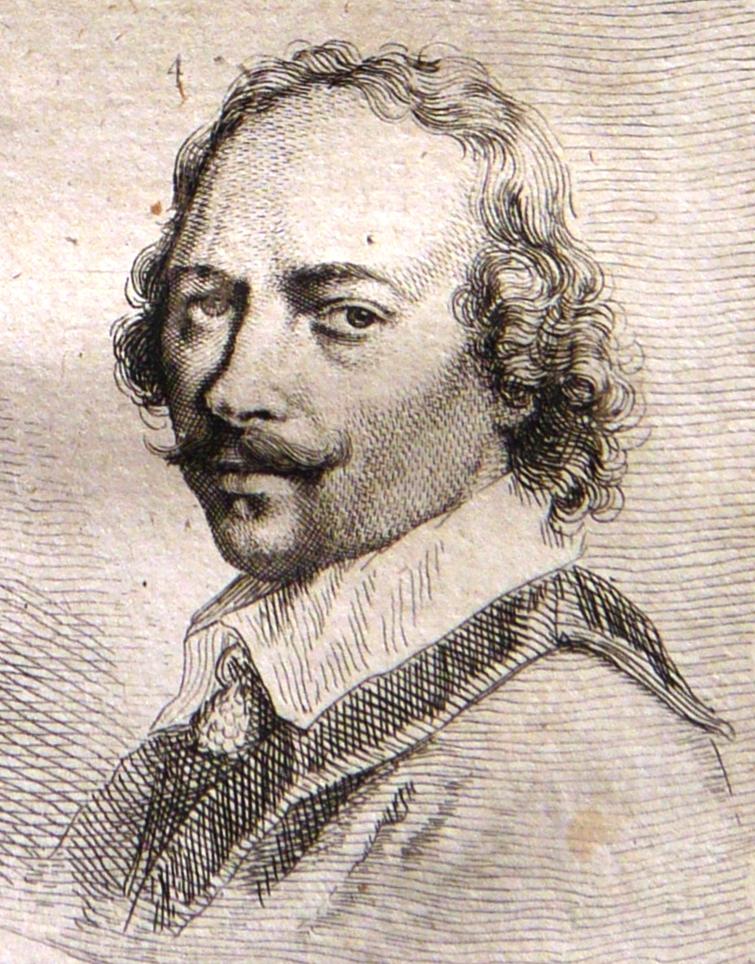
Why Hendrik Martenszoon Sorgh matters
Hendrik Martenszoon Sorgh was a genre painter of the Rotterdam school within the Dutch Golden Age, known for peasant interiors, market scenes, and kitchen still lifes that documented everyday life in the seventeenth century Netherlands. His paintings are held by museums including the National Gallery, London, Museum Boijmans Van Beuningen in his native Rotterdam, and the Art Institute of Chicago, giving him a place in the canon of Dutch genre painting even though his auction market remains thin and unevenly documented. For collectors, he represents a case where museum grade art historical standing does not translate into a deep or transparent secondary market.
- Nationality
- Dutch
- Media
- Painting
- Movement
- Dutch Golden Age, Rotterdam school
- Education
- No formal academy record survives. According to the biographer Arnold Houbraken, he studied under Willem Buytewech in Rotterdam and David Teniers the Younger in Antwerp, though sources note little documentary evidence exists for either apprenticeship.
- Signature motifs
- Peasant interiors, Market and kitchen scenes, Genre portraiture
By the numbers
- c. 1630s to 1670Active periodRotterdam, Dutch Golden Age
- EUR 150,000Auction highMerry Peasants, Lempertz artist index, Cologne; exact sale date not identified in available sources
- Multiple museumsMuseum collectionsConfirmed holdings include the National Gallery, London; Museum Boijmans Van Beuningen; and the Art Institute of Chicago
- None publishedCatalogue raisonneAttribution via museum curatorial files and auction house connoisseurship
Selected works
Click any work to view it full screen.
Biography
Sorgh was born in Rotterdam around 1610, with sources placing the year anywhere from 1609 to 1611 and no exact day or month documented. According to the eighteenth century biographer Arnold Houbraken, he studied under Willem Buytewech in Rotterdam and David Teniers the Younger in Antwerp, though sources describe little documentary evidence for either apprenticeship. No record of formal academy training or a degree survives.
He married Adriaantje Hollaer in Rotterdam on 20 February 1633 and spent his entire documented career there, working as a painter of genre interiors, market and kitchen scenes, portraits, marine subjects, and occasional history paintings. He became a master of the Rotterdam Guild of Saint Luke by 1636 or 1637 and served as its dean from 1669. He is grouped with the Rotterdam school of Dutch Golden Age genre painters, and his style has been compared by the National Gallery, London, to that of Adriaen Brouwer. He died in Rotterdam in 1670 and was buried there on 28 June 1670; the exact date of his death is not recorded, only that it fell before the burial.
Critical reception
Modern museum scholarship treats Sorgh as a solid, if secondary, figure within Dutch Golden Age genre painting. The National Gallery, London, describes him as chiefly a genre painter who, according to Houbraken, trained with David Teniers the Younger, while noting that his painterly handling reads closer to Adriaen Brouwer. Exhibition bibliographies associate him with survey shows such as Masters of Dutch Painting (Detroit Institute of Arts, 2004) and Vermeer and the Masters of Genre Painting: Inspiration and Rivalry (2017), though this exhibition history is drawn from a secondary bibliography rather than confirmed primary museum records. No verifiable, exact wording critical quotations from named critics in major outlets could be confirmed for this profile.
Market
Sorgh's market operates entirely through the secondary Old Master circuit, since he has been dead for more than 350 years and, as expected for an artist of his period, has no gallery or estate representation. Documented auction results are sparse and inconsistent: a Dorotheum sale realized EUR 38,400, while the highest figure found in available sources is an EUR 150,000 price, including premium, for a work titled Merry Peasants per Lempertz's Cologne artist index, though the exact sale date could not be confirmed from public records. Collectors should treat any single price point for Sorgh with caution given how few complete, cross-referenced sale records are available.
Top auction results
| Work | Price | Sale |
|---|---|---|
| Merry Peasants | EUR 150,000 (premium included) | Lempertz, Cologne |
Selected exhibitions
| Years | Exhibition | Venues |
|---|---|---|
| 2017 | Vermeer and the Masters of Genre Painting: Inspiration and Rivalry | International tour; exact venues not fully confirmed in available sources |
| 2004 | Masters of Dutch Painting | Detroit Institute of Arts |
| 2001 | Het Nederlandse interieur in beeld 1600 to 1900 | Dutch museums (exhibition catalogue published in Zwolle) |
| 1995 | Nederlandse portretten uit de 17e eeuw | Museum Rotterdam, own collection |
| 1987 | Im Lichte Hollands | German museum(s); exact venue not fully confirmed in available sources |
| 1986 | Portretten van echt en trouw | Dutch museum; exact venue not fully confirmed in available sources |
| 1984 | Prijst de Lijst | Dutch museum; exact venue not fully confirmed in available sources |
Museum collections
- Museum Boijmans Van Beuningen, Rotterdam
- National Gallery, London
- Art Institute of Chicago
Authentication and provenance
No catalogue raisonne.
No catalogue raisonne is confirmed to exist for Sorgh in the sources reviewed. Attribution for individual works relies on museum curatorial files and auction house connoisseurship rather than a single reference catalogue.
Primary reference: https://www.nationalgallery.org.uk/artists/hendrick-sorgh
What collectors should know
There is no catalogue raisonne for Sorgh confirmed in the sources reviewed, and attribution rests on individual museum curatorial files and auction house connoisseurship rather than a single authoritative reference. His auction record is unusually thin for an artist with this level of museum representation, and the highest price identified in current sources, for a work titled Merry Peasants, lacks a confirmed sale date, so it should be read as an index figure rather than a settled record. Given the scarcity of cross referenced sale data, collectors evaluating a Sorgh painting should lean heavily on provenance, published exhibition history, and museum comparanda rather than on auction trend lines.
Further reading and resources
Data current as of 2026-07-18.

