Why Iberê Camargo matters
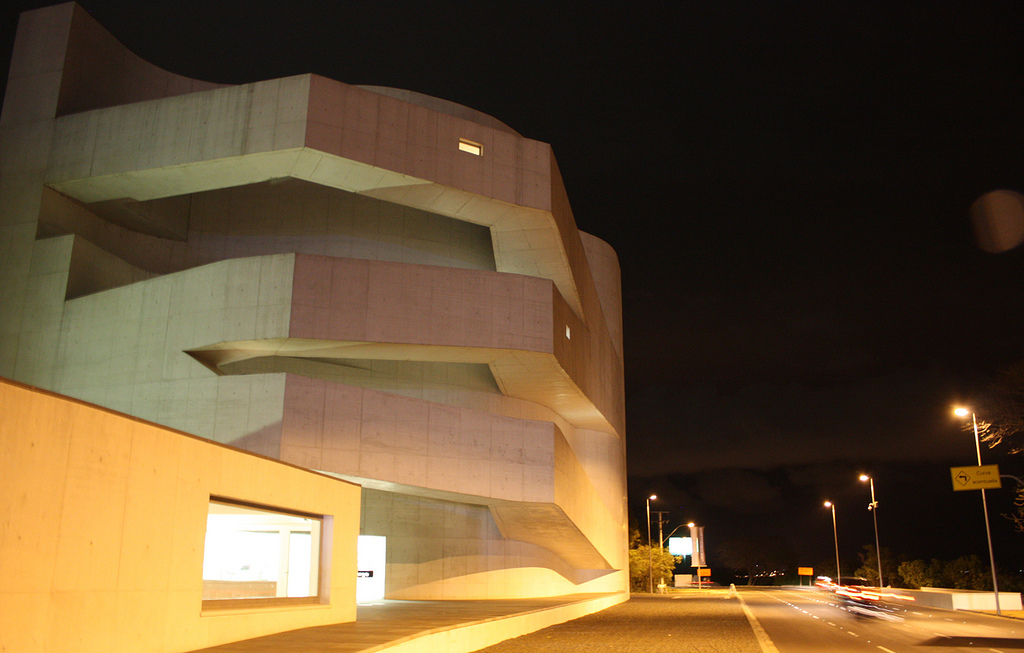
Iberê Camargo is considered one of the major Brazilian painters of the twentieth century, an artist whose intense, expressionist figuration and printmaking placed him at the center of Brazilian modernism and won him official representation of Brazil at the Venice Biennale. His legacy is now stewarded by the Fundação Iberê Camargo, a dedicated foundation and museum in Porto Alegre housed in a building designed by the architect Álvaro Siza Vieira. For a collector, he is a study in a canonical, museum-anchored reputation paired with a genuinely thin and still-developing international auction market.
- Born
- 1914-11-18, Restinga Seca, Rio Grande do Sul, Brazil
- Nationality
- Brazilian
- Media
- Painting, Printmaking, Drawing
- Movement
- Brazilian modernism, Expressionism
- Education
- No completed degree. Studied painting at the School of Arts and Crafts, Santa Maria, beginning in 1927; later attended night courses in architecture at the Institute of Fine Arts, Porto Alegre (exact year not specified in sources reviewed); enrolled at the National School of Fine Arts, Rio de Janeiro, in 1942 before leaving to study with Alberto da Veiga Guignard; studied mornings at the Academie Andre Lhote, Paris, around 1949 while copying old masters at the Louvre in the afternoons. Received an honorary doctorate in 1986; the awarding institution is not confirmed in available sources.
- Signature motifs
- "Fiada de Carreteis (spool and bobbin series)", "Expressionist portraiture and figuration"
- Representation
- "Fundacao Ibere Camargo (estate and archive), Porto Alegre"
By the numbers
- Represented BrazilVenice BiennaleExact Biennale edition not independently confirmed in sources reviewed
- Fundacao Ibere Camargo, Porto AlegreFoundation museumBuilding designed by Alvaro Siza Vieira
- Fundacao Ibere Camargo (estate)Represented by
Biography
Iberê Bassani de Camargo was born on 18 November 1914 in Restinga Seca, Rio Grande do Sul, Brazil. His formal education was intermittent rather than degree-bearing. He began painting studies at the School of Arts and Crafts in Santa Maria in 1927, and later, after moving to Porto Alegre, took night courses in architecture at the Institute of Fine Arts. In 1942 he entered the National School of Fine Arts in Rio de Janeiro but soon left to study instead with the painter Alberto da Veiga Guignard at the National Students Union in Flamengo.
In 1947 he was awarded a trip to Europe at the Exposição Nacional de Belas Artes in Rio de Janeiro for his painting Lapa, the era's most significant art distinction in Brazil. He used the opportunity to travel and, around 1949, to study mornings at the Académie André Lhote in Paris while spending afternoons in the Louvre copying old masters including Titian, Vermeer, El Greco, and Tintoretto. Back in Brazil, he developed a body of work built on recurring, often anguished figuration and, by the early 1960s, a serial abstraction of everyday objects: his Fiada de Carretéis, a series based on spools and bobbins, led to his being voted Best Brazilian Painter at the 6th Bienal de São Paulo. He represented Brazil at the Venice Biennale and received an early retrospective at the Museu de Arte Moderna do Rio de Janeiro; both are often dated to 1962 in secondary sources, though the exact Biennale edition could not be independently confirmed for this profile. He continued to exhibit and teach over the following decades, receiving the Golden Dolphin Award from the Rio de Janeiro state government in 1984 and an honorary doctorate in 1986; the institution that awarded the doctorate is not confirmed in available sources.
Iberê Camargo died in Porto Alegre, Rio Grande do Sul, on 8 or 9 August 1994 at age 79; sources consulted for this profile disagree on the exact day, and no cause of death is documented in the sources reviewed. The Fundação Iberê Camargo was subsequently established in Porto Alegre to preserve his archive and promote his work, and now operates a dedicated museum designed by Álvaro Siza Vieira.
Critical reception
Camargo is treated by Brazilian institutions and critics as a canonical figure of national modernism, prized for an expressionist intensity that runs through both his paintings and his prints. His early recognition, the 1947 European travel prize, the 1958 Bienal de Gravura award in Mexico, and being voted Best Brazilian Painter at the 1961 São Paulo Bienal, established him within Brazil's postwar art establishment well before his Venice Biennale representation and MAM Rio retrospective. Later curatorial framing, including a 2024 pairing of his paintings with Oswaldo Goeldi's woodcuts at Casa SP-Arte and a major 2012 retrospective at MAM-SP with more than 200 works, has continued to read his figuration and recurring motifs, such as the spool and bobbin series, as records of psychological intensity rather than pure formal exercise. No exact, attributable critical quotations could be confirmed from the available sources for this profile.
Market
Camargo's auction market is modest in scale relative to his institutional standing. Cumulative reported auction sales for the artist total roughly USD 3.15 million over the past 24 years, with about USD 12,700 in sales in the most recent year, indicating a fragmented, low-liquidity secondary market rather than a deep or fast-moving one. Publicly available sources do not establish a definitive all-time auction record, title, price, or sale date for this artist; available market summaries suggest his highest individual results likely fall in the low six figures at most, with no public source indicating a single work exceeding USD 500,000. His work continues to appear at Brazilian fairs, including SP-Arte in 2026, and at auction houses handling Latin American art.
Selected exhibitions
| Years | Exhibition | Venues |
|---|---|---|
| 1958 | Arte Moderno en Brasil | Museo Nacional de Bellas Artes, Buenos Aires |
| 1961 | 6th Bienal de Sao Paulo | Bienal Internacional de Sao Paulo; voted Best Brazilian Painter for the Fiada de Carreteis series |
| 1960s | Venice Biennale | Brazilian representation, La Biennale di Venezia (exact edition not independently confirmed) |
| 1962 | First retrospective | Museu de Arte Moderna do Rio de Janeiro (MAM Rio) |
| 1963 | 7th Bienal de Sao Paulo, Special Room | Bienal Internacional de Sao Paulo |
| 2012 | Retrospective | Museu de Arte Moderna de Sao Paulo (MAM-SP), over 200 works |
| 2024 | Eis o deserto, e nele me sonho; eis o oasis, e nele nao sei viver | Casa SP-Arte, Sao Paulo, organized by Almeida & Dale, paired with Oswaldo Goeldi |
| 2026 | Quem sabe, o tempo... | Fundacao Ibere Camargo, Porto Alegre |
Museum collections
- Fundacao Ibere Camargo Museum, Porto Alegre
Awards and honors
- Travel prize (trip to Europe), Exposicao Nacional de Belas Artes, Rio de Janeiro, for the painting Lapa (1947)
- Printmaking prize, Bienal de Gravura, Mexico (1958)
- Voted Best Brazilian Painter, 6th Bienal de Sao Paulo (1961)
- Golden Dolphin Award, Rio de Janeiro state government (1984)
- Honorary doctorate (awarding institution not confirmed in available sources) (1986)
Authentication and provenance
No catalogue raisonne.
No published catalogue raisonne has been confirmed for the artist. Documentation and archival research are centered on the Fundacao Ibere Camargo in Porto Alegre, the nonprofit foundation established to preserve and promote his work and archive.
Primary reference: http://iberecamargo.org.br/o-artista/
What collectors should know
Camargo's reputation rests on museum and institutional standing, principally through the Fundação Iberê Camargo, rather than on a large or liquid auction record; his cumulative auction turnover is reported at roughly USD 3.15 million over 24 years, and no single confirmed sale price could be established as his all-time high from public sources. No catalogue raisonné has been confirmed to exist, and no current commercial gallery could be confirmed as formally representing his estate, so provenance and documentation questions are best directed to the Fundação Iberê Camargo itself. Collectors should treat any claimed auction record for this artist with particular caution given how thin and fragmented his public sale history is.
Further reading and resources
Data current as of 2026-07-11.

