Jules Pascin
Bulgarian-born, naturalized American citizen (1915), 1885 to 1930
Painting · Drawing
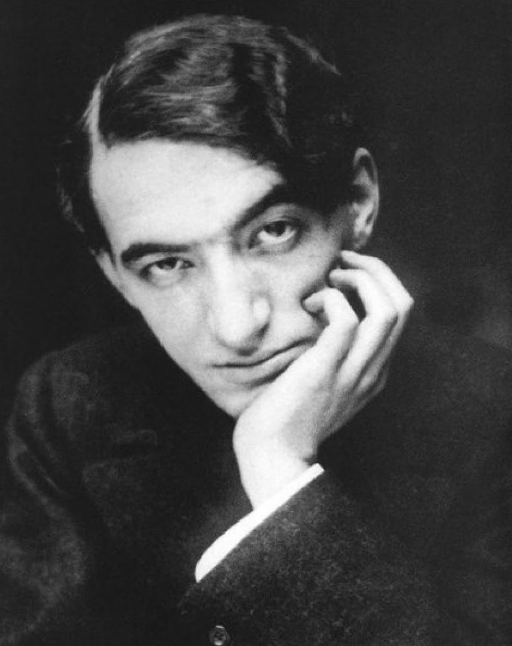
Why Jules Pascin matters
Jules Pascin is one of the defining figures of the École de Paris, the loose community of foreign-born artists, many of them Jewish emigres from Central and Eastern Europe, who made Montparnasse the center of the art world in the early twentieth century. Born in Bulgaria and trained across Vienna, Munich, and Paris, he became a naturalized American citizen and is reported to have exhibited in the landmark 1913 Armory Show that introduced European modernism to American audiences. His intimate, loosely drawn paintings and drawings of women, often set in the cafes and rooming houses of the Parisian demimonde, remain held by major museums, and his life, ending in suicide in his Montmartre studio in 1930, is a documented and unavoidable part of how his work is read today.
- Born
- 1885-03-31, Vidin, Bulgaria
- Nationality
- Bulgarian-born, naturalized American citizen (1915)
- Media
- Painting, Drawing
- Movement
- École de Paris
- Education
- Secondary school in Kronstadt and Vienna; began painting study in Vienna, 1902; Moritz Heymann School of Art, Munich, 1903 to 1904; brief further study in Berlin (undated); Académie Matisse, Paris, 1908; Académie Colarossi, Paris, drawing study (undated). No formal degree is documented.
- Signature motifs
- Nudes and figures of the Parisian demimonde, Loose, sketch-like line
- Representation
- "No confirmed estate, foundation, or exclusive gallery representation", "Piano Nobile, London, has featured his work in gallery programming (not exclusive representation)"
By the numbers
- USD 462,000Auction high (best documented)Femme en Robe Rose, Sotheby's, October 3, 1990, per Heritage Auctions; saleroom location and original sale currency not confirmed in accessible sources.
- 1913Armory ShowReported exhibitor, International Exhibition of Modern Art, New York; citation is a single secondary source.
- École de ParisMovementMontparnasse circle, Paris
- No confirmed exclusive representationRepresented byPiano Nobile, London, has featured his work in gallery programming
Selected works
Click any work to view it full screen.
Biography
Jules Pascin was born Julius Mordecai Pincas on March 31, 1885, in Vidin, Bulgaria, to a Spanish father and an Italian mother. His family later moved to Bucharest, and he attended secondary school in Kronstadt (now Brasov) and then in Vienna beginning in 1895. He began studying painting in Vienna in 1902, then moved to Munich, where he studied at Moritz Heymann's art academy from 1903 to 1904, followed by a period of further study in Berlin. Around 1905 he adopted the pseudonym "Pascin," an anagram of his birth surname Pincas, partly to spare his father embarrassment over his satirical drawings, which by that year were appearing in German magazines such as Simplicissimus and Lustige Blatter.
He settled in Paris and by 1908 was studying at the Academie Matisse; he also worked on drawing at the Academie Colarossi and copied paintings in the Louvre. No source documents him earning a formal degree from any of these institutions. In 1913 he exhibited in the Armory Show in New York, and from roughly 1914 to 1920 he lived largely in the United States, including time in New York and the American South, becoming a naturalized American citizen in 1915. He returned to Paris after the First World War and became a well-known figure in Montparnasse's bohemian circles, prized for paintings and drawings of women rendered with a fluid, sketch-like line.
Pascin struggled for years with depression and alcoholism, which sources link to his declining health in the years before his death. On the eve of a planned one-man show at the Galerie Georges Petit, he died by suicide in his studio at 36 Boulevard de Clichy in Montmartre, Paris, slitting his wrists and then hanging himself. Sources disagree on the exact date, with the Encyclopaedia Britannica giving June 1, 1930, and Wikipedia and other references giving June 2, 1930; contemporary reporting in the New York Times, datelined June 6, 1930, described him as having been found dead in his studio. He was 45. As the French critic Gaston Diehl later wrote, he died "driven to the wall by his own legend."
Critical reception
Artforum's critical assessment of Pascin corrects a common misconception about his training, describing him as "preponderantly self-taught," with only "a few classes" and "little private instruction" beyond his early study in Vienna and Munich. Beyond this point, critical writing on Pascin has long emphasized the combination of wide recognition during his lifetime with a body of work tightly focused on the female figure and the demimonde of Montparnasse. His inclusion in the 1913 Armory Show placed him among the European modernists first shown to American audiences, and museums including the National Gallery of Art and the Virginia Museum of Fine Arts continue to present his work as part of the School of Paris story.
Market
Pascin's secondary market is active but not fully documented at the top end in accessible sources. Services such as Artprice track his auction results extensively, indicating frequent secondary-market activity across decades, though a precise total count of recorded results was not available in the sources reviewed for this profile. The best-documented public result identified is Femme en Robe Rose, reported by Heritage Auctions as the highest price ever paid at auction for a Pascin painting: USD 462,000, sold at Sotheby's on October 3, 1990. The saleroom location and original sale currency are not confirmed in accessible sources, and no later result exceeding this figure has been identified in the sources reviewed. Collectors should treat this figure as the best available indication rather than a fully independently confirmed record.
Top auction results
| Work | Price | Sale |
|---|---|---|
| Femme en Robe Rose (1990) | USD 462,000 | Sotheby's, 1990-10-03 |
Selected exhibitions
| Years | Exhibition | Venues |
|---|---|---|
| 1913 | Armory Show (International Exhibition of Modern Art) | 69th Regiment Armory, New York |
| 1905 to 1929 | Recurring participation in the Salon des Independants and related Paris salons | Paris |
| 1930 | Planned one-man show (unrealized due to the artist's death) | Galerie Georges Petit, Paris |
| 2020 | Drawn to Paper: Degas to Rego | Piano Nobile, London |
| 2023 | Reopening as the Jules Pascin Cultural Centre | Vidin, Bulgaria (former synagogue) |
Museum collections
- National Gallery of Art, Washington, D.C.
- Virginia Museum of Fine Arts, Richmond
Authentication and provenance
No catalogue raisonne.
No published catalogue raisonne and no estate or foundation certificate-of-authenticity program have been confirmed. Works are generally authenticated through provenance research and the connoisseurship of established dealers and auction houses.
Primary reference: https://www.nga.gov/artists/2674-jules-pascin
What collectors should know
There is no confirmed catalogue raisonne and no estate or foundation certificate-of-authenticity program for Pascin, so attribution depends on provenance research and the judgment of established dealers and auction houses. No gallery currently holds confirmed exclusive representation, though Piano Nobile in London has featured his work in its programming. Services such as Artprice track frequent secondary-market activity for Pascin across decades, but the absence of a fully confirmed record price means collectors should verify current top-end comparables directly with an auction house before relying on any single historical figure. His biography, including a well-documented death by suicide in 1930, is part of the accepted critical and market record and should be treated as such rather than smoothed over.
Further reading and resources
Data current as of 2026-07-11.

