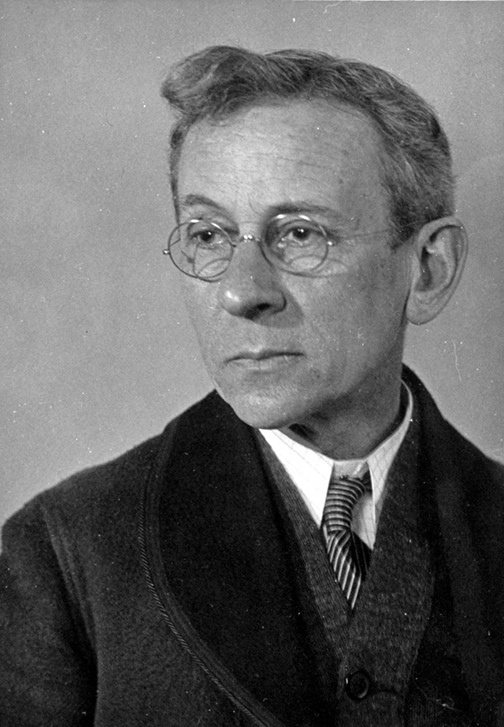
Why Lewis Hine matters
Lewis Hine used a camera as a tool of social investigation, and in doing so helped invent documentary photography as an American practice. His photographs of child laborers, Ellis Island immigrants, and ironworkers raising the Empire State Building are held today by more than 120 institutions, from the Library of Congress to the Museum of Modern Art, and curators have long placed him at the head of a realist tradition that runs through Walker Evans and Robert Frank. For a collector, Hine represents a case where historical and institutional importance runs well ahead of a thin, still-developing auction market.
- Born
- 1874-09-26, Oshkosh, Wisconsin, USA
- Nationality
- American
- Media
- Photography, Documentary photography
- Movement
- Social documentary photography, Progressive Era reform photography
- Education
- New York University, Master in Pedagogy (Pd.M.), 1905. Also studied sociology and pedagogy at the University of Chicago, 1900 to 1901, and pursued graduate study in sociology and social work at Columbia University, circa 1905 to 1907; no degree confirmed at either institution. Earlier attended Oshkosh Normal School, 1898 to 1899, with no degree documented.
- Signature motifs
- Child labor documentation, Ellis Island immigrant portraits, Empire State Building construction photographs
- Representation
- No confirmed formal gallery or estate representation as of 2026, Vintage prints circulated via Art2Art, drawing on the private collection of Michael Mattis and Judith Hochberg, and occasionally shown at Gitterman Gallery, New York
By the numbers
- Not confirmedAuction recordNo verified sale price, auction house, or date could be located in available sources as of 2026-07-15
- 120+ institutionsMuseum holdingsLibrary of Congress estimate of institutions holding Hine photographs and negatives
- Art Directors Club of New York MedalCareer honorAwarded April 1924 for photography
- No formal representation confirmedRepresented byPrints circulate via Art2Art (Mattis and Hochberg collection) and Gitterman Gallery, New York
Selected works
Click any work to view it full screen.
Biography
Lewis Wickes Hine was born on September 26, 1874, in Oshkosh, Wisconsin. He left high school around age fifteen to help support his family, working a series of manual jobs before a chance meeting with the educator Frank Manny led him toward teaching and further study. He took courses at Oshkosh Normal School in 1898 and 1899, studied sociology and pedagogy at the University of Chicago in 1900 and 1901, and in 1905 earned a Master in Pedagogy from New York University while teaching nature studies and geography at New York's Ethical Culture School. He went on to graduate study in sociology and social work at Columbia University around 1905 to 1907.
Manny encouraged Hine to take up photography as a teaching tool, and by 1904 he was photographing immigrants arriving at Ellis Island. From 1908 to 1921 he worked as the principal photographer for the National Child Labor Committee, traveling the country to document children working in mines, mills, fields, and factories, images that were used directly in the campaign for American child labor laws. During and after the First World War he photographed relief work for the American Red Cross in Europe, and in 1930 and 1931 he documented ironworkers building the Empire State Building, producing his best-known later series.
Institutional interest in Hine's work declined in the 1930s, and by the end of the decade he was in financial difficulty; a 1939 traveling retrospective organized by Berenice Abbott and Elizabeth McCausland, shown at the Riverside Museum in New York, was an attempt to revive attention to his photography. He died on November 3, 1940, following an operation, in Westchester County, New York; leading reference sources place the death at either Dobbs Ferry Hospital in Dobbs Ferry or in Hastings-on-Hudson. Encyclopedia.com notes that he died in straitened financial circumstances, largely overlooked by the institutions that would later celebrate him.
Critical reception
Hine is now treated as a foundational figure in American documentary photography, valued for using the camera as an instrument of social reform rather than pure aesthetics. Writing about Hine for the Art Institute of Chicago, curator Hugh Edwards placed him at the origin of a distinctly American realist tradition, linking his approach directly to later photographers such as Walker Evans and Robert Frank. Institutional histories from the International Center of Photography and the Library of Congress echo this framing, crediting Hine's child labor photographs with directly influencing American labor law while also shaping the visual language that later documentary photographers would inherit.
Market
Hine's market is dominated by institutions rather than by a deep, liquid auction record. The Library of Congress, the George Eastman Museum, the New York Public Library, and university archives such as the Albin O. Kuhn Library at UMBC hold the bulk of his negatives and vintage prints, and his photographs also sit in the permanent collections of the Museum of Modern Art and the Metropolitan Museum of Art. Public auction results are comparatively sparse: no fully confirmed all-time auction record, sale price, auction house, or date could be verified in available sources as of this writing. Some market listings reference a higher price associated with his Empire State Building riveter photographs, but the underlying sale details, including the house and date, have not been verified and are not treated as an established record here.
Selected exhibitions
| Years | Exhibition | Venues |
|---|---|---|
| 1939 | Traveling retrospective organized by Berenice Abbott and Elizabeth McCausland | Riverside Museum, New York |
| 1961 | The Interpretive Photography of Lewis Hine | Art Institute of Chicago, curated by Hugh Edwards |
| 1968 | Photography before 1914 | Art Institute of Chicago |
| 1977 to 1979 | Lewis Hine: A Retrospective of the Photographer | Brooklyn Museum |
| 2009 | The Rise of a Landmark: Lewis Hine and the Empire State Building | Massillon Museum, Massillon, Ohio |
| 2013 | Lewis Hine: Photography for a Change | Fotomuseum Winterthur, Switzerland |
| 2025 to 2026 | Records of the Past: Lewis Hine Child Labor Photographs | Margulies Collection at the Warehouse, Miami |
| 2026 | Lewis Hine: Pictures America | The Frick Pittsburgh, February 21 to May 17, 2026 |
Museum collections
- Library of Congress, Washington, D.C.
- George Eastman Museum, Rochester, New York
- Museum of Modern Art, New York
- Metropolitan Museum of Art, New York
- New York Public Library
- Smithsonian American Art Museum, Washington, D.C.
Awards and honors
- Art Directors Club of New York Medal for photography (1924)
Authentication and provenance
No catalogue raisonne.
No published catalogue raisonne has been located for Hine. Attribution and dating of prints typically rely on comparison with the negatives and vintage prints held at the Library of Congress and the George Eastman Museum, along with provenance research; no estate or foundation currently issues certificates for his work.
Primary reference: https://www.britannica.com/biography/Lewis-W-Hine
What collectors should know
There is no published catalogue raisonne for Hine, and authentication generally depends on comparison with the negatives and prints held at the Library of Congress and the George Eastman Museum, together with careful provenance research; his work is not represented by a formal gallery or estate in the way a living artist's would be. The market for vintage Hine prints is thin and unevenly documented at auction, so any single price should be read with caution rather than as a stable benchmark. For a collector, the strength of the material lies in its museum depth and historical significance rather than in a well-established auction track record.
Further reading and resources
Data current as of 2026-07-13.

