Li Gonglin
Chinese, 1049 to 1106
Ink painting · Baimiao (ink-line) drawing · Handscroll painting
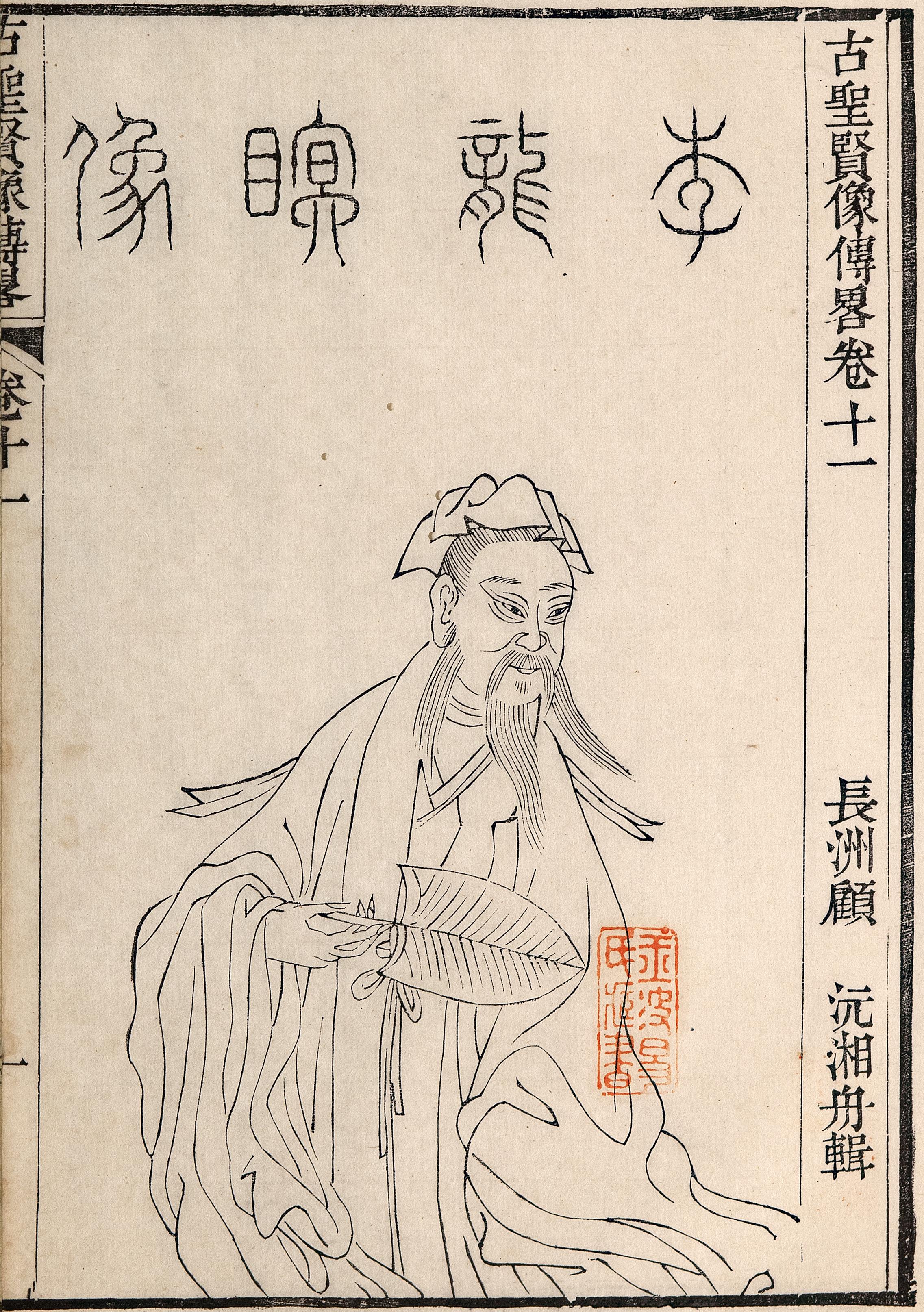
Why Li Gonglin matters
Li Gonglin is one of the foundational figures of Chinese ink painting, a Northern Song scholar-official whose fine, largely uncolored ink-line technique, known as baimiao, shaped how later painters drew horses, Buddhist and Daoist figures, and the human form for centuries afterward. He worked nine hundred years before the modern art market existed, so his relevance to a collector today is almost entirely institutional: his surviving and accepted works sit in the Metropolitan Museum of Art, the Palace Museum in Beijing, the National Palace Museum in Taipei, and the Smithsonian's Asian art collections. His name also carries real market weight, evidenced by a documented eight-figure auction result, but that market is thin, historic, and dominated by questions of authenticity rather than the demand cycles that govern living artists.
- Nationality
- Chinese
- Media
- Ink painting, Baimiao (ink-line) drawing, Handscroll painting
- Movement
- Northern Song dynasty painting, Literati (scholar-official) painting
- Education
- Passed the jinshi degree, the highest level of the Song imperial civil service examinations, in 1070 at age 21. No formal art academy or named teacher is documented.
- Signature motifs
- Horses, Buddhist and Daoist figures, Fine ink-line drawing without color
By the numbers
- USD 17.6MAuction highTreaty of Bianqiao, Christie's New York, 2017
- 1049 to 1106Active eraNorthern Song dynasty
- 4 major institutionsMuseum collectionsPalace Museum Beijing, National Palace Museum Taipei, The Met, Smithsonian Freer/NMAA
- None publishedCatalogue raisonneAuthenticity assessed through museum scholarship and connoisseurship
Selected works
Click any work to view it full screen.
Biography
Li Gonglin was born in 1049 in Shucheng, in what is now Anhui province, to a family of scholars and collectors. He passed the jinshi degree, the highest level of the Song imperial civil service examinations, in 1070 at age 21, and went on to hold official posts as a civil officer for much of his career. Alongside his administrative duties he developed into one of the most admired painters and connoisseurs of his era, working primarily in ink-line drawing without color to depict horses, religious figures, and portraits of his contemporaries.
He moved in an elite literati circle that included Su Shi (Su Dongpo), Mi Fu, and Huang Tingjian, and his skill as both a painter and a connoisseur of antiquities earned him wide praise during his own lifetime. Later in life he retired to the Longmian, or Sleeping Dragon, Mountains near his hometown and adopted the studio name Longmian Jushi. He died in 1106, believed to be in or near Shucheng, though surviving primary sources do not record the precise circumstances or location of his death in the detail available for later artists.
Critical reception
Encyclopaedia Britannica describes Li Gonglin as one of the most lavishly praised Chinese connoisseurs and painters in a circle of scholar-officials during the Northern Song period. Art historians credit him as a master of baimiao, the fine, uncolored ink-line drawing technique, and note that his approach to horse and figure painting influenced nearly all subsequent ink-line painting in these genres. His standing rests as much on his documented associations with major literati of the period, including Su Shi and Huang Tingjian, as on the surviving body of work itself, since so few universally accepted originals remain.
Market
Li Gonglin has no living gallery representation and no estate in the modern commercial sense; he is a Northern Song painter who died in 1106. His name nonetheless appears regularly in the classical Chinese painting market, chiefly through works described as "attributed to" him rather than firmly authenticated originals. The highest documented auction price for a work by Li Gonglin is for the handscroll Treaty of Bianqiao, sold at Christie's New York for USD 17,607,500 on 15 March 2017, as part of the sale Important Chinese Art from the Fujita Museum. No later sale exceeding this figure has been identified as of this writing. Smaller regional auction houses regularly list works "attributed to" or "in the manner of" Li Gonglin at far lower prices; these should be treated as a distinct, lower-confidence category from the handful of museum-grade works that scholars accept as authentic or near-authentic.
Top auction results
| Work | Price | Sale |
|---|---|---|
| Treaty of Bianqiao | USD 17,607,500 | Christie's, New York, 2017-03-15 |
Museum collections
- Palace Museum, Beijing
- National Palace Museum, Taipei
- The Metropolitan Museum of Art, New York
- Freer Gallery of Art / National Museum of Asian Art, Smithsonian Institution, Washington, D.C.
Awards and honors
- Jinshi degree, imperial civil service examination, age 21 (1070)
Authentication and provenance
No catalogue raisonne.
No catalogue raisonne exists for Li Gonglin. Attribution rests on museum scholarship and connoisseurship built up over nine centuries, and many surviving works described as by him are later copies or attributions of varying reliability. Core authenticated works, such as the Metropolitan Museum's Classic of Filial Piety handscroll and the National Palace Museum's Five Horses, are treated by scholars as distinct from the much larger body of works later attributed to him.
Primary reference: https://www.britannica.com/biography/Li-Gonglin
What collectors should know
There is no catalogue raisonne for Li Gonglin, and given the nine centuries separating his death from today, there is no certificate-of-authenticity program or single verifying body either. Authenticity for any work bearing his name depends on museum-level connoisseurship, provenance, and scholarly consensus, since the surviving accepted corpus is small and has been copied and reattributed for centuries. Collectors encountering "Li Gonglin" at auction should distinguish carefully between museum-anchored, extensively studied works, such as the Metropolitan Museum's Classic of Filial Piety or the National Palace Museum's Five Horses, and the much larger and more variable set of regional-auction lots described as attributed to or in the manner of the artist.
Further reading and resources
Data current as of 2026-07-16.

