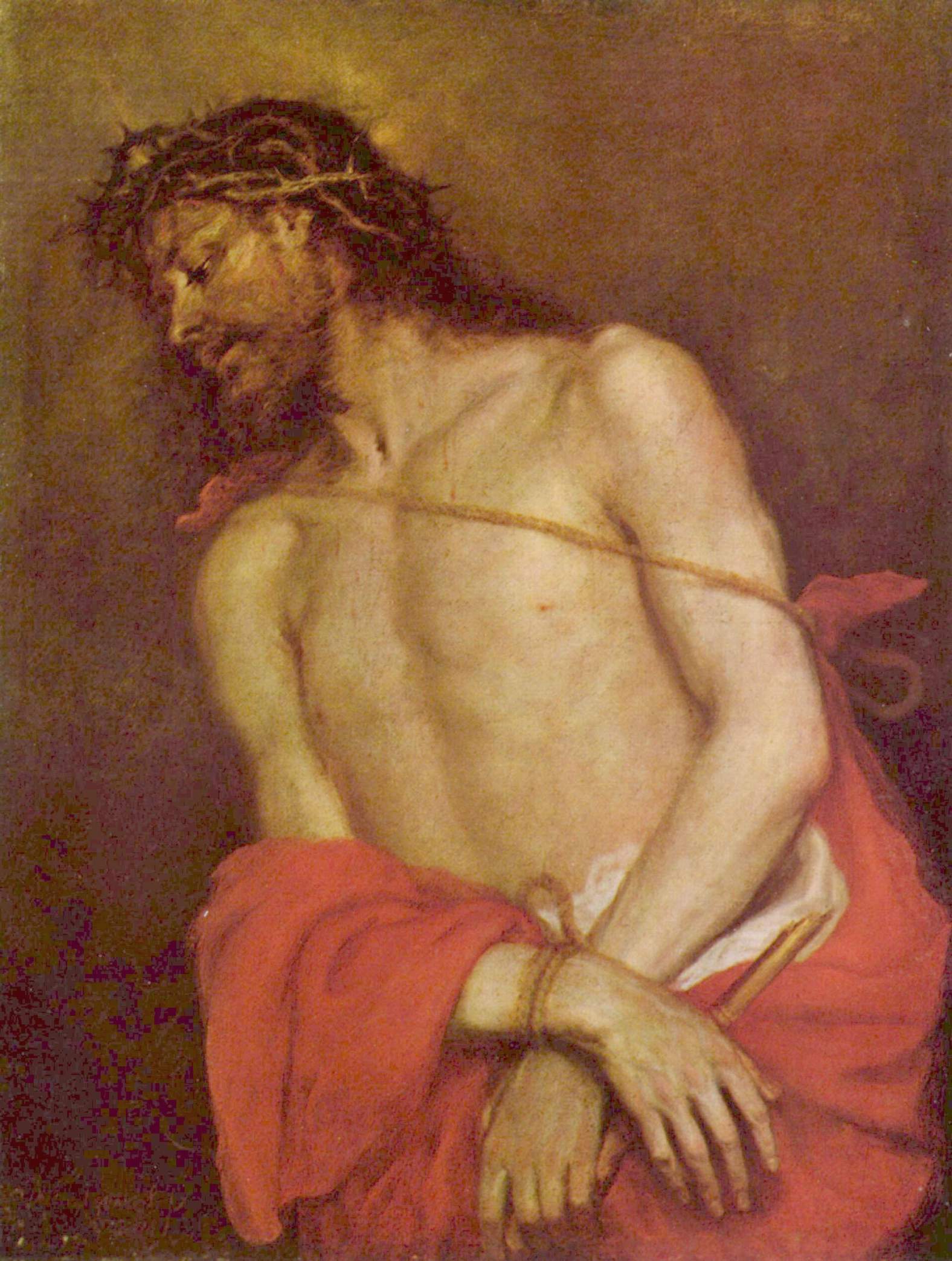
Why Mateo Cerezo matters
Mateo Cerezo the Younger was one of the most gifted painters of the Spanish Baroque, a Madrid-trained student of Juan Carreno de Miranda whose religious compositions and rare still lifes earned early praise, in Antonio Palomino's account, as unsurpassed among the small still lifes of his time, despite a career cut short by his death at 29. For collectors, he represents old-master scarcity in its purest form: a small, largely dispersed body of work held mostly in museums and churches, with almost no usable market track record to draw on.
- Born
- 1637-04-19, Burgos, Spain
- Nationality
- Spanish
- Media
- Painting
- Movement
- Spanish Baroque
- Education
- Trained initially with his father, Mateo Cerezo the Elder, in Burgos. Moved to Madrid around 1652 and studied under Juan Carreno de Miranda, completing his training by copying works in the royal collections and studying Flemish Baroque painting there. No formal degrees; a seventeenth-century workshop apprenticeship model.
- Signature motifs
- Religious subjects, Still-life bodegones, Baroque chiaroscuro
By the numbers
- 1637 to 1666Active datesDied in Madrid at age 29
- Workshop of Juan Carreno de MirandaTrainingMadrid, circa 1652 to 1654
- 5+ institutionsMuseum collectionsIncluding the Prado, Louvre, and Hermitage
- RareSigned, dated worksFew securely signed and dated works are documented
Selected works
Click any work to view it full screen.
Biography
Mateo Cerezo was born on 19 April 1637 in Burgos, Spain, the son of a painter of devotional images also named Mateo Cerezo. He received his first training in his father's workshop, then moved to Madrid as a teenager, around 1652, where he entered the workshop of Juan Carreno de Miranda and became one of his most promising students. He supplemented that training by copying paintings in the royal collections and studying the Flemish Baroque painting he found there.
Cerezo worked between Madrid, Valladolid, and Burgos through the late 1650s and early 1660s, producing altarpieces and devotional paintings for churches across Spain, alongside a small number of still lifes. No documentation has been found that he held an official court appointment. He died in Madrid on 29 June 1666, at the age of 29, and his premature death is generally described by art historians as having cut short a rapidly rising career.
Critical reception
The principal early critical source on Cerezo is the painter and writer Antonio Palomino, writing not long after the artist's death, who praised his small still lifes as executed "with such superior excellence that no one could surpass them," as cited by the Museo del Prado. Modern curatorial writing, including the Prado's own artist entry, continues to describe him as an "openly sensitive artist" and one of Carreno de Miranda's most promising disciples, and situates his religious paintings and rare still lifes among the more sophisticated products of Madrid's mid-seventeenth-century workshops. A monographic exhibition, "Mateo Cerezo el joven (1637 to 1666): materia y espiritu," held at Burgos Cathedral in 2020, gathered works from museums, churches, and private collections, reflecting continuing scholarly interest in reassessing his short career.
Market
Mateo Cerezo's market is that of a scarce Old Master with a small, largely institutionalized body of work. Public auction appearances are infrequent, and the available research does not confirm a reliable, verified all-time auction record for his work. A painting titled The Nativity, attributed to Cerezo, was included in Sotheby's London 2021 Old Masters Day Sale; Spanish press coverage of the sale cited a presale estimate of roughly EUR 35,000 to 58,000, but the exact sale date and the hammer price are not consistently documented in the sources reviewed, so it cannot be cited as a record. Collectors should treat any claimed record price for Cerezo with caution until it can be verified against a comprehensive paid auction database.
Selected exhibitions
| Years | Exhibition | Venues |
|---|---|---|
| 2020 | Mateo Cerezo el joven (1637 to 1666): materia y espiritu | Burgos Cathedral, Burgos |
Museum collections
- Museo del Prado, Madrid
- Musee du Louvre, Paris
- Hermitage Museum, Saint Petersburg
- Museum of Fine Arts, Budapest
- Chazen Museum of Art, Madison, Wisconsin
Authentication and provenance
No catalogue raisonne.
No catalogue raisonne has been published. Attribution relies on museum scholarship, the early biographical account of Antonio Palomino, and comparison to the artist's few known signed and dated works.
Primary reference: https://www.museodelprado.es/en/the-collection/artist/cerezo-mateo/20de3352-6b4d-4656-808d-54cada3135ad
What collectors should know
Cerezo's output is small, dispersed across churches, museums, and private collections, and undocumented by a catalogue raisonne, which places significant weight on connoisseurship and comparison to his few securely signed and dated works when evaluating attribution. Because verifiable public auction results are scarce, pricing for any work offered as by Cerezo should be checked carefully against comparable documented sales rather than assumed from an estimate alone. His importance rests overwhelmingly on museum holdings and art-historical reputation rather than on an active, liquid secondary market.
Further reading and resources
Data current as of 2026-07-18.

