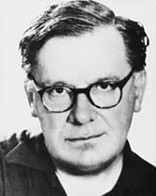
Why Nikos Engonopoulos matters
Nikos Engonopoulos is one of the central figures of twentieth century Greek art, the painter most closely identified with bringing Surrealism into a specifically Greek visual language. He worked alongside the writers of the Generation of the '30s, represented Greece at the Venice Biennale, and received Greek state honors for both his painting and his poetry, a rare double distinction. For a collector, he is a case of deep institutional and literary standing paired with a market that trades infrequently and in modest volume.
- Born
- 1907-10-21, Athens, Greece
- Nationality
- Greek
- Media
- Painting
- Movement
- Surrealism, Greek Generation of the '30s
- Education
- Athens School of Fine Arts, 1932 to 1938; earlier schooling at a lycee in Paris, 1923 to 1927
- Signature motifs
- Surrealist juxtaposition of classical and Byzantine imagery, Recurring heroic and military figures
By the numbers
- GBP 682,759Auction highEpisode from the Trojan War (Scene homerique avec le heros), Bonhams London, 2020
- Greek Pavilion, 1954Venice BiennaleSole representative of Greece, roughly 100 works shown
- 1955Sao Paulo Biennale
- Golden Cross, Order of George IState honor1966, for painting
Biography
Nikos Engonopoulos was born on 21 October 1907 in Athens, Greece. He was educated first at a lycee in Paris, where he boarded from 1923 to 1927. In 1932 he enrolled at the Athens School of Fine Arts, studying under Konstantinos Parthenis, Dimitrios Biskinis, Thomas Thomopoulos, and Yannis Kefallinos, graduating in 1938, and also worked in the studio of Fotis Kontoglou and studied Byzantine art under Andreas Xyngopoulos. He also pursued independent art study in Munich and various Italian cities.
Engonopoulos worked simultaneously as a painter and a poet, publishing surrealist verse from the 1930s onward and building a body of painting that combined classical, Byzantine, and folk Greek imagery with surrealist juxtaposition. He held a solo exhibition at the house of N. Kalamaris in Athens in 1939, and in 1954 he was Greece's sole representative at the Venice Biennale, showing roughly 100 works; he participated in the Sao Paulo Biennale the following year. From 1964 he was a founding member of the exhibiting group Armos. He also taught at the National Technical University of Athens, becoming Professor of Painting at the School of Architecture in 1967.
He received the First State Poetry Prize from the Greek Ministry of Education in 1958 and the Golden Cross of the Order of George I in 1966 for his painting. He died in Athens on 31 October 1985, at age 78. Wikipedia's biographical summary attributes his death to a heart attack; other consulted sources confirm the date and place of death without repeating the specific cause, so that detail should be treated as documented but singly sourced.
Critical reception
Engonopoulos is consistently described in Greek and international sources as the country's foremost surrealist painter and a leading voice of the Generation of the '30s, prized for fusing dream imagery with a distinctly Greek sense of history, from Byzantine icon painting to classical antiquity and folk tradition. Contemporary criticism of his early work was sharply divided, but that controversy gave way over the following decades to sustained institutional recognition, including his Venice Biennale representation, his election to a professorship at the National Technical University of Athens, and retrospectives at the Moraitis Educational Society in 1977 and the National Gallery in 1983.
Market
Engonopoulos's market is thin and largely European, concentrated in Greek and international auction houses that periodically handle Modern Greek art sales. The highest publicly documented price for his work is GBP 682,759, paid at Bonhams in London on 12 November 2020 for Scene homerique avec le heros (Episode from the Trojan War), a sale described by the house as a record price for the artist. No single gallery or family estate has been publicly confirmed as his official representative; his work continues to circulate through auction houses and museum-linked exhibitions rather than through one exclusive dealer relationship.
Top auction results
| Work | Price | Sale |
|---|---|---|
| Scene homerique avec le heros (Episode from the Trojan War) | GBP 682,759 | Bonhams, London, 2020-11-12 |
Selected exhibitions
| Years | Exhibition | Venues |
|---|---|---|
| 1938 | Art of Modern Greek Tradition | Athens |
| 1939 | Solo exhibition, house of N. Kalamaris | Athens |
| 1954 | Venice Biennale | Greek Pavilion, Venice |
| 1955 | Sao Paulo Biennale | Sao Paulo, Brazil |
| 1964 to 1985 | Group 'Armos' exhibitions | Athens, various venues (founding member) |
| 1977 | Retrospective | Moraitis Educational Society, Athens |
| 1983 | Retrospective | National Gallery, Athens |
| 2017 | Nikos Engonopoulos: With the Colours of the Word and the Word of Colours | Museum of Contemporary Art, Basil & Elise Goulandris Foundation, Andros |
Museum collections
- National Gallery, Alexandros Soutsos Museum, Athens
- Museum of Contemporary Art, Basil & Elise Goulandris Foundation, Andros
Awards and honors
- First State Poetry Prize, Greek Ministry of Education (1958)
- Golden Cross of the Order of George I, for painting (1966)
Authentication and provenance
No catalogue raisonne.
No published catalogue raisonne has been identified for Engonopoulos and current research does not confirm one exists. Authenticity is generally supported through museum holdings, such as the National Gallery of Greece, and through provenance recorded by auction houses that have handled his work, including Bonhams.
Primary reference: https://www.nationalgallery.gr/en/artist/engonopoulos-nicos/
What collectors should know
Engonopoulos's market rewards patience and careful sourcing rather than frequent trading: public sales are infrequent, and no catalogue raisonne has been confirmed to exist, which places extra weight on provenance, museum cross-referencing, and auction house due diligence. His deepest institutional support runs through Greek museums, particularly the National Gallery in Athens and the Museum of Contemporary Art of the Basil & Elise Goulandris Foundation in Andros, both of which anchor his standing independent of any single gallery relationship. Because no confirmed exclusive representative exists, collectors should expect to verify any specific offer against museum records and documented sale history rather than assuming a single point of authority.
Further reading and resources
Data current as of 2026-07-10.

