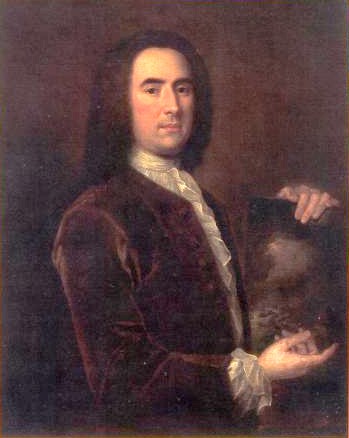
Why Peter Monamy matters
Peter Monamy is generally recognized as one of the two founding figures, alongside Samuel Scott, of the first generation of native-born British marine painters, working at a time when the genre in England was otherwise dominated by Dutch émigrés such as the van de Veldes. For a collector, he represents an entry point into the earliest phase of British marine painting: a documented, museum-collected artist whose market remains a specialist Old Master category rather than a headline one.
- Nationality
- British
- Media
- Painting
- Movement
- British marine painting, Georgian era British art
- Education
- Apprenticed to William Clark, a house painter, London, from 1696. No record of formal academy training; the Royal Academy was not founded until 1768, nineteen years after his death.
- Signature motifs
- Marine seascapes, Naval battle and fleet scenes, Ships at sea
By the numbers
- 1681 to 1749LifespanBorn London, died Westminster, London
- GBP 19,000Auction highSworders, London; exact sale date not published. A dated 2025 sale, The Morning Gun, reached GBP 17,780.
- Liveryman, 1726Guild honorWorshipful Company of Painter-Stainers
- 8 institutionsMuseum collectionsIncluding Tate, National Maritime Museum, the Met, and the V&A
Selected works
Click any work to view it full screen.
Biography
Peter Monamy was born in London in 1681. He trained through apprenticeship rather than any formal academy, since no such English institution yet existed. From September 1696 he was apprenticed for seven years to William Clark, a house painter, and worked through the decorative trades of house and sign painting before turning increasingly to marine subjects.
By the 1720s Monamy had become one of the most sought-after painters of ships and naval engagements in London. In 1726 the Worshipful Company of Painter-Stainers elected him a Liveryman, and he presented the guild with a large painting of the Royal Sovereign at anchor, a work that remains in the Company's collection at Painter-Stainers' Hall. In the 1730s and 1740s he contributed decorative marine scenes, including works marking Admiral Vernon's naval victories, to the fashionable pleasure gardens at Vauxhall. Two of his marine paintings entered the Royal Collection at Hampton Court, and a since-dispersed picture recorded him showing a sea piece to a patron, Thomas Walker, with the figures painted by William Hogarth.
According to Rountree Tryon Galleries' account of his career, Monamy's later years were marked by a slow financial decline. He died at his house in Westminster in early February 1749 and was buried at St Margaret's Church, Westminster, on 7 February 1749.
Critical reception
Monamy's contemporaries treated him as the outstanding marine specialist of his generation. Newspaper notices at the time of his death praised his skill in painting sea pieces as unmatched among his peers. George Vertue, the antiquarian and engraver, praised his understanding of ships and rigging and noted that his work was especially esteemed by seafaring people, naval officers, and merchants. Modern institutional summaries continue this framing: the UK Government Art Collection describes Monamy and Samuel Scott as the two leading figures of the first generation of British marine painters, and German-language reference sources describe him as a founding figure of British marine art. He has not been the subject of a full modern catalogue raisonne or a dedicated monographic museum retrospective, and the critical literature on him remains comparatively thin next to that of later British marine and landscape painters.
Market
Monamy's market sits within the specialist Old Master and British pictures category rather than among high-value contemporary names, and prices vary considerably by subject, condition, and attribution certainty, since some works are catalogued as circle of or attributed to rather than as fully autograph. The highest documented price found is GBP 19,000, for A Royal Yacht Approaching a Flagship of the Red at Sworders in London; the exact sale date for that result has not been published. The highest price with a confirmed sale date is GBP 17,780, for The Morning Gun at Lyon & Turnbull in Edinburgh on 12 November 2025; that auction listed his life dates as 1689 to 1749, a variant that conflicts with the 1681 to 1749 dates used by Tate, Art UK, and the Dictionary of National Biography. Other recorded results for the artist have generally fallen well below these figures.
Top auction results
| Work | Price | Sale |
|---|---|---|
| A Royal Yacht Approaching a Flagship of the Red | GBP 19,000 | Sworders, London |
| The Morning Gun (2025) | GBP 17,780 | Lyon & Turnbull, Edinburgh, 2025-11-12 |
Selected exhibitions
| Years | Exhibition | Venues |
|---|---|---|
| 1726 | Presentation of a large marine painting, The Royal Sovereign at anchor | Worshipful Company of Painter-Stainers, Painter-Stainers' Hall, London |
| 1730s to 1740s | Decorative marine scenes, including works marking Admiral Vernon's naval victories | Vauxhall Gardens, London |
| 18th century | Two marine paintings in the Royal Collection | Hampton Court Palace |
| Ongoing | Marine paintings in permanent collection | National Maritime Museum, Royal Museums Greenwich |
| Ongoing | Marine paintings in permanent collection | Tate, London |
Museum collections
- National Maritime Museum, Royal Museums Greenwich
- Tate, London
- Metropolitan Museum of Art, New York
- Fine Arts Museums of San Francisco
- Dulwich Picture Gallery, London
- National Gallery of Ireland, Dublin
- Yale Center for British Art, New Haven
- Victoria and Albert Museum, London
Awards and honors
- Elected Liveryman, Worshipful Company of Painter-Stainers (1726)
Authentication and provenance
No catalogue raisonne.
No catalogue raisonne exists for Peter Monamy. Attribution relies on connoisseurship, provenance research, and comparison with signed and dated works held in institutions such as the National Maritime Museum and the Worshipful Company of Painter-Stainers, and auction listings often qualify uncertain works as circle of or attributed to.
Primary reference: https://artuk.org/discover/artists/monamy-peter-16811749
What collectors should know
Monamy is an entry point into early British marine painting rather than a blue-chip market name; his auction results run in the low tens of thousands of pounds rather than the high figures seen elsewhere in this profile series. Because no catalogue raisonne exists, attribution weighs heavily on price and desirability, and buyers should expect qualifying catalogue language such as circle of or attributed to on a meaningful share of the material that comes to market. With no gallery or estate representing him today, works reach collectors almost entirely through auction houses and specialist Old Master dealers, so provenance history and comparison with signed works in institutions such as the National Maritime Museum and Painter-Stainers' Hall are the collector's main tools for verification.
Further reading and resources
Data current as of 2026-07-16.

