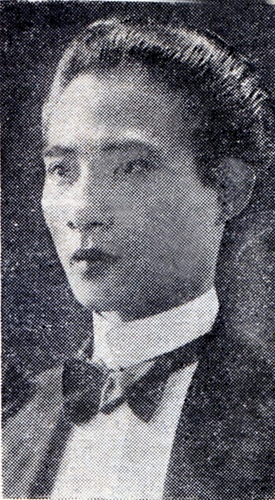
Why Ran In-Ting matters
Ran In-Ting was among the most internationally recognized Taiwanese painters of the twentieth century, celebrated for fusing Western and Japanese watercolor technique with a Chinese ink sensibility to render rural Taiwanese village life, rivers, and landscapes. In 1971, European and American critics named him one of the ten major watercolorists in the world, recognition matched by his inclusion in museum collections in Taiwan and the United States. For collectors, he represents a historically important but thinly traded market, one where museum stature and cultural significance in Taiwan considerably outrun the depth of public auction data available in English-language sources.
- Born
- 1903-10-13, Luodong, Yilan County, Taiwan (then Rato, Giran-cho, Japanese Taiwan)
- Nationality
- Taiwanese
- Media
- Watercolor, Ink
- Movement
- Taiwanese watercolor painting, Japanese colonial-era art education
- Education
- Luodong Public Elementary School; secondary-school art study (institution not documented); private tutelage under Japanese watercolorist Kinichiro Ishikawa in Taipei, beginning circa 1924, continuing for about four years from 1925; honorary degree, College of Chinese Culture (now Chinese Culture University), Taipei, 1969
- Signature motifs
- Rural Taiwanese landscapes, Watercolor fused with Chinese ink technique
- Representation
- No confirmed exclusive estate representation as of 2026. Works are handled by dealers including Scanlan Fine Arts, USA.
By the numbers
- 1903 to 1979CareerTaiwanese watercolorist
- 1959National Art PrizeRepublic of China's highest artistic honor of the period
- Top 10 watercolorists in the worldInternational recognitionEuropean and American critics, 1971
- 1998Museum retrospectiveHymn of Colors: The Art World of Ran In-ting, National Museum of History, Taipei
Biography
Ran In-Ting (also romanized Ran In-ting; Chinese name Lan Yinding, 藍蔭鼎) was born on October 13, 1903, in Luodong, Yilan County, in northeastern Taiwan, then under Japanese colonial rule and known as Rato, Giran-cho. He graduated from Luodong Public Elementary School and, in 1920, became an art teacher at his alma mater at around age seventeen, having also studied art at the secondary-school level. In 1924, during a school inspection, the Japanese watercolor master Kinichiro Ishikawa discovered his talent and began giving him private lessons in Western technique each weekend, requiring Ran to take the train to Taipei. He went on to study painting under Ishikawa for roughly four years, beginning around 1925.
His work was first selected for Japan's Imperial Art Exhibition (Teiten) in Tokyo in 1926, a highly competitive showcase that established his professional reputation. Over the following decades he developed a distinctive style built on watercolor layered with Chinese ink technique, depicting the farms, rivers, and daily life of rural Taiwan. His paintings were included in Asian Artists in Crystal, shown at the National Gallery of Art in Washington, D.C., and later the Metropolitan Museum of Art in New York, in 1956, part of a broader promotion of Taiwanese craft and art in the United States. He received the National Art Prize of the Republic of China in 1959 and an honorary degree from the College of Chinese Culture (now Chinese Culture University) in Taipei in 1969. In 1971, European and American critics named him one of the ten major watercolorists in the world.
Ran In-Ting died on February 4, 1979, in Yilan, Taiwan. Posthumous recognition followed with a major exhibition of his watercolors at the National Palace Museum in Taipei in 1991, and, in 1998, parallel retrospectives at the National Museum of History in Taipei, titled Hymn of Colors: The Art World of Ran In-ting, and at the Hong Kong Museum of History.
Critical reception
Ran In-Ting's reputation rests on a body of institutional and international recognition unusual for a Taiwanese artist of his generation: selection for Japan's Imperial Art Exhibition in 1926, the Republic of China's National Art Prize in 1959, and, in 1971, a ranking among the world's ten major watercolorists according to European and American critics, though the exact critics or body behind that ranking is not consistently documented. Christie's lot essays describe him as a pioneer of Western-style painting in Chinese art, combining "Chinese traditional ink painting" with the "vivid colors of western watercolor." That tension between rural subject matter and technical sophistication remains the central frame through which his work is discussed.
Market
Ran In-Ting's market is centered in Taiwan and Hong Kong, where his watercolors of rural Taiwanese scenes continue to appear at regional auction houses and specialist dealers. The clearest documented benchmark is a Heritage Auctions sale of Tranquility, Formosa (1959, watercolor and ink on paper) for USD 10,000 on September 12, 2017, which Heritage identifies as the record price for the artist at that house specifically, not a confirmed all-time or cross-market high. Price-tracking sources also point to later record-setting sales, including works titled Village After Rain (2024) and View of the Tamsui River (2026), but the hammer prices, currencies, and selling houses for those sales are not confirmed in the sources reviewed, so no all-time auction record can be stated with confidence here. Contemporary accounts from later in his career note that individual watercolors sold abroad for as much as several thousand US dollars, a notable sum at the time, though that reflects lifetime gallery-era pricing rather than a current auction benchmark.
Top auction results
| Work | Price | Sale |
|---|---|---|
| Tranquility, Formosa (1959) | USD 10,000 (USD 10,000) | Heritage Auctions, 2017-09-12 |
Selected exhibitions
| Years | Exhibition | Venues |
|---|---|---|
| 1926 | Imperial Art Exhibition (Teiten) | Tokyo, Japan |
| 1956 | Asian Artists in Crystal | National Gallery of Art, Washington, D.C.; The Metropolitan Museum of Art, New York |
| 1991 | Watercolor exhibition (memorial) | National Palace Museum, Taipei |
| 1998 | Hymn of Colors: The Art World of Ran In-ting | National Museum of History, Taipei |
| 1998 | Retrospective exhibition | Hong Kong Museum of History |
| 2018 | Passing Inheritance to the Future Generations (Liang Gallery 25th Anniversary) | Liang Gallery, Taipei |
Museum collections
- Museum of Art and Archaeology, University of Missouri
- Seattle Art Museum, Seattle
Awards and honors
- National Art Prize, Republic of China (1959)
- Honorary degree, College of Chinese Culture (now Chinese Culture University), Taipei (1969)
- Named one of the ten major watercolorists in the world, according to European and American critics (1971)
Authentication and provenance
No catalogue raisonne.
No published catalogue raisonne has been identified for the artist, and no formal certificate-of-authenticity program was confirmed. Provenance, exhibition history, and family or estate records, where available, are the customary basis for verification.
Primary reference: https://www.moc.gov.tw/en/News_Content2.aspx?n=483&s=225397
What collectors should know
There is no published catalogue raisonne for Ran In-Ting, and no formal certificate-of-authenticity program has been identified; verification typically relies on provenance, exhibition history, and, where available, family or estate documentation. Because the artist died in 1979 with no confirmed exclusive estate representation, works surface primarily through Taiwan- and Hong Kong-based auction houses and dealers rather than through a single managed channel, and English-language auction records for his work remain sparse and difficult to verify in full detail. Collectors should also note that while several major museums, including the Museum of Modern Art and the Museo del Prado, are widely cited as holding his work in secondary biographical sources, this profile lists only the collections that could be corroborated across independent sources, and provenance on any individual work should be checked carefully given the thinness of public market data.
Further reading and resources
Data current as of 2026-07-15.

