Tai Jingnong
Taiwanese (born in Anhui Province, mainland China), 1902 to 1990
Calligraphy · Ink painting
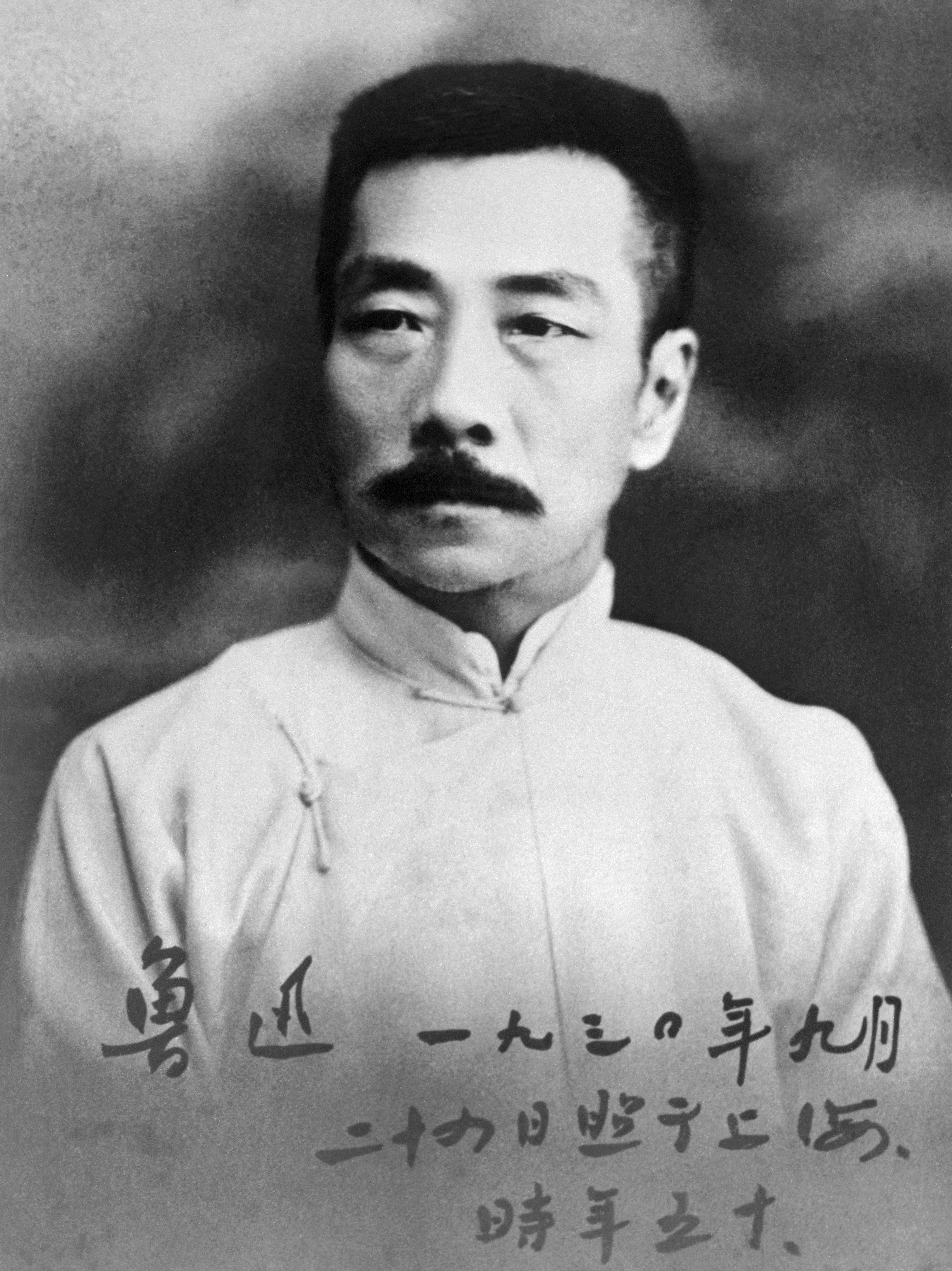
Why Tai Jingnong matters
Tai Jingnong stands among the most significant Chinese literary scholars and calligraphers of the twentieth century, a figure who carried the May Fourth generation's literary culture from mainland China into postwar Taiwan and helped anchor National Taiwan University's Chinese Literature Department for decades. His calligraphy, executed in a distinctive running script, is collected today as an example of modern Chinese literati art. His secondary market, however, remains thin and largely regional, with no confirmed record-setting sale and no current commercial gallery or estate representation, which makes careful, source-by-source verification essential for any collector approaching his work.
- Born
- 1902-11-23, Yejiaji Town, Huoqiu County, Anhui Province, China
- Nationality
- Taiwanese (born in Anhui Province, mainland China)
- Media
- Calligraphy, Ink painting
- Movement
- Chinese literati calligraphy, May Fourth generation
- Education
- Peking University, Institute of Chinese Studies, graduate study from 1924 (auditing student 1922 to 1924); early schooling in Anhui Province
- Signature motifs
- Running-script calligraphy, Literati ink poems on paper
By the numbers
- 1902 to 1990LifespanAnhui Province, China, to Taipei, Taiwan
- 1984National Literary and Art AwardRepublic of China, shared with Liang Shiqiu
- 1985Executive Yuan Culture AwardRepublic of China, shared with Uno Seiki
- Professor; later department chairNTU Chinese Literature DepartmentNational Taiwan University, professor from 1946 for roughly two decades
Selected works
Click any work to view it full screen.
Biography
Tai Jingnong was born on 23 November 1902 in Yejiaji Town, Huoqiu County, Anhui Province, China. He received a traditional private education for about four years, graduated from Mingqiang Elementary School in 1918, and enrolled the same year at Hankou Dahua Middle School. In 1922 he became an auditing student at Peking University, and from 1924 he pursued graduate study in the university's Institute of Chinese Studies. Some structured biographical data describes this period as culminating in a master's degree, though the fuller narrative biography from National Taiwan University describes it only as graduate study, so the profile does not assert a conferred degree.
He went on to teach at several institutions in China, including Beiping Sino-French University, Fu Jen University, Xiamen University, Shandong University, and Qilu University. In 1946 he moved to Taiwan to join the Department of Chinese Literature at National Taiwan University, where he was a professor for roughly two decades and, for a period, served as department chair, becoming known as a writer, literary critic, educator, and calligrapher. He received the National Literature and Art Award of the Republic of China in 1984, shared with Liang Shiqiu, and the Culture Award of the Executive Yuan in 1985, shared with the Japanese scholar Uno Seiki.
Tai Jingnong died in 1990 in Taipei, Taiwan, not long after moving into the residence now preserved as the Taijingnong Humanities Hall at National Taiwan University. Available sources place his death on 9 November 1990 at National Taiwan University Hospital, though that exact date rests on a single source and should be treated as likely rather than fully corroborated; one institutional source describes his age at death as 78, which is inconsistent with his well corroborated 1902 birth year, so this profile does not assert a specific age at death.
Critical reception
Auction house cataloguing consistently frames Tai Jingnong as, in Christie's words, a renowned author and literary critic who became chairman of the Department of Chinese Literature at National Taiwan University and was also a famous calligrapher. Academic writing, including scholarship indexed in Airiti Library, situates him among the most important Chinese calligraphers of the second half of the twentieth century, emphasizing his roots in the May Fourth literary generation and his transition from mainland scholarship to Taiwan's postwar cultural establishment. No verbatim critical assessment from a named critic in a major outlet could be confirmed for direct quotation here, but the institutional and academic consensus on his standing is consistent across independent sources.
Market
Tai Jingnong's calligraphy circulates mainly through Greater China auction houses, including Christie's, Sotheby's, and Ravenel, rather than through a commercial gallery structure. One documented result places a work titled Calligraphy in Running Script at TWD 72,000 (about USD 2,282) in Ravenel's 2026 Spring Auction in Taipei, though the exact calendar date of that sale is not available in the source consulted. A 2026 Sotheby's sale listed a work titled Poem in Xingshu with an estimate of HKD 40,000 to 80,000, but no confirmed sale price for that lot could be located. No verifiable all-time auction record for the artist could be established as of this profile's data date, so collectors should treat any figure circulating for his work with caution until it can be traced to a specific, dated auction result.
Top auction results
| Work | Price | Sale |
|---|---|---|
| Calligraphy in Running Script (2026) | USD 2,282 (TWD 72,000) | Ravenel, Taipei |
Museum collections
- National Museum of History, Taiwan
- Taijingnong Humanities Hall, National Taiwan University, Taipei
Awards and honors
- National Literature and Art Award, Republic of China (with Liang Shiqiu) (1984)
- Culture Award of the Executive Yuan, Republic of China (with Uno Seiki) (1985)
Authentication and provenance
No catalogue raisonne.
No catalogue raisonne has been identified for Tai Jingnong. Verification relies on the Taijingnong Humanities Hall archive at National Taiwan University, university and auction house provenance records, and connoisseurship of his seals and signature, Jing-nong.
Primary reference: https://tjn.ntu.edu.tw/home.jsp?lang=en
What collectors should know
There is no catalogue raisonne for Tai Jingnong, so authentication depends on provenance, seal and signature study, and the resources of the Taijingnong Humanities Hall archive at National Taiwan University. His work is also referenced as held by other Taiwanese cultural institutions, including the National Museum of History, though this profile could not confirm an itemized list of which specific pieces are held there. Because no gallery or estate currently represents him and no confirmed record price exists in public sources, collectors should rely on individual, dated auction results rather than general market narratives, and should note a minor discrepancy across auction catalogs between a birth year of 1902 and, in one Christie's index, 1903, with 1902 reflecting the broader institutional and scholarly consensus.
Further reading and resources
Data current as of 2026-07-18.

