
Art Market Explainers
What Blue-Chip Art Actually Means, and Why It Matters
Blue-chip art means works by established artists with deep auction records and stable demand. Here is what qualifies, why, and how the tier performs.
Blue-chip art means works by established artists with deep auction records and stable demand. Here is what qualifies, why, and how the tier performs.

Galleries, museums and mega-collectors decide which artists become blue chips. Who the art world tastemakers are and how their influence on prices is measured.

Auction house guarantees now cover 72.9% of evening sale lots by value. Learn how irrevocable bids work, who profits, and what they mean for art investors.
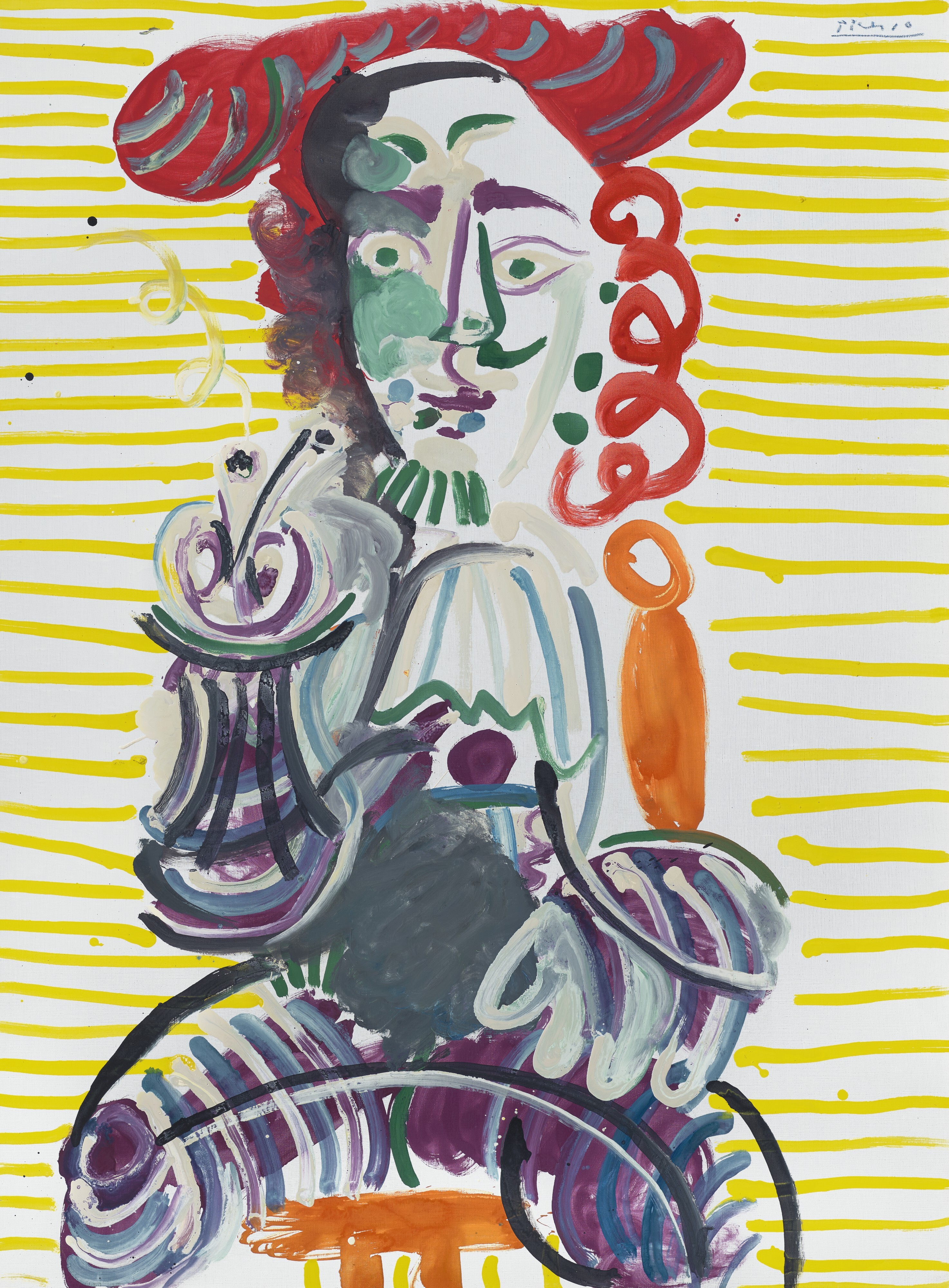
Picasso sells more lots per year than any other artist. We look at the data behind his market depth, its liquidity, and how investors should read it.

A living artist can always make more work, so supply stays elastic. Death fixes the count forever. That single shift reshapes price, liquidity, and risk.
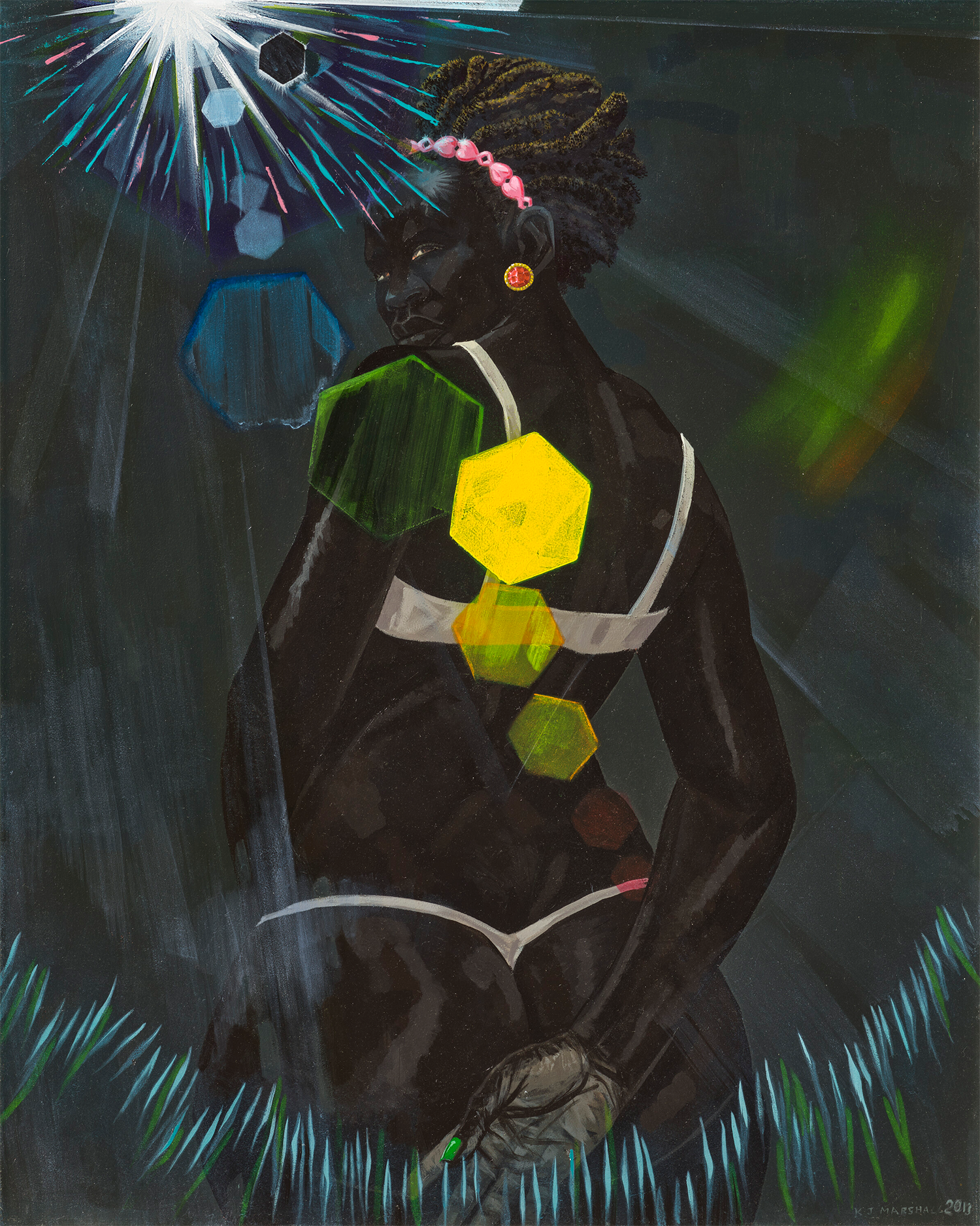
Kerry James Marshall put Black figures into Western history painting. Museums followed, and his auction record hit $21.1 million. Here is the market story.

Auction estimates come from comparable sales and specialist judgment, then get set as a marketing band. In H1 2025 only 10% of paintings sold within range.

Art authentication rests on three pillars: connoisseurship, forensic science, and provenance. Here is how each works, what it costs, and why it protects value.

Francis Bacon's triptych record stands at $142.4 million, set in 2013. Here is why his fixed supply of roughly 584 paintings, iconic imagery, and deep museum backing have made his market one of the more resilient at the top end.

A technical guide to the lab science behind art authentication: X-radiography, infrared reflectography, XRF and pigment analysis, radiocarbon dating, and AI. What each method can and cannot prove.

The Knoedler, Beltracchi, and van Meegeren forgeries cost collectors tens of millions. Here is what each case teaches investors about real due diligence.
Banksy built a career attacking the art market, then became one of its most valuable assets. We unpack the paradox, the prices, and what it means for investors.