Art Market Explainers
How the Art Market Works
How the art market works: its size, the dealers and auction houses that run it, how prices form, and why its opacity is the whole opportunity for investors.
How the art market works: its size, the dealers and auction houses that run it, how prices form, and why its opacity is the whole opportunity for investors.

Modern art runs from the 1860s to about 1970, from Impressionism to Minimalism. Here is what defines it and why it anchors the blue-chip auction market.

What contemporary art means, where the post-1945 vs post-1970 boundary sits, how it differs from Modern, and why it is the largest auction segment.

The most expensive painting ever sold is da Vinci's Salvator Mundi at $450.3M. Our 2026 ranked list of top private and public sales, with what each signals.

Beeple sold for $69.3M and Pak's The Merge for $91.8M. We trace the record NFT sales, the 90%-plus collapse that followed, and what it teaches investors.

How Surrealism went from a 1920s avant-garde to the strongest segment of the high-end art market, and what drives its prices for investors.

How street art went from illegal subway tags to blue-chip auctions. We trace Haring, Basquiat, Banksy, and KAWS, the records, and what the market means for investors.

Photorealism and Hyperrealism explained for investors: the movement's origins, the key-artist auction records, and how the category sits relative to broader contemporary art.
Old Masters are the most prestigious art category yet the smallest auction segment. Why scarcity, attribution risk, and thin liquidity keep it quiet.

How to get art appraised: the four types of value, why purpose changes the number, how to find a USPAP-compliant ASA, AAA, or ISA appraiser, and what it costs.

What Post-Impressionism is, why Van Gogh and Cezanne bridged Impressionism and modern art, and how extreme scarcity drives the prices investors see.
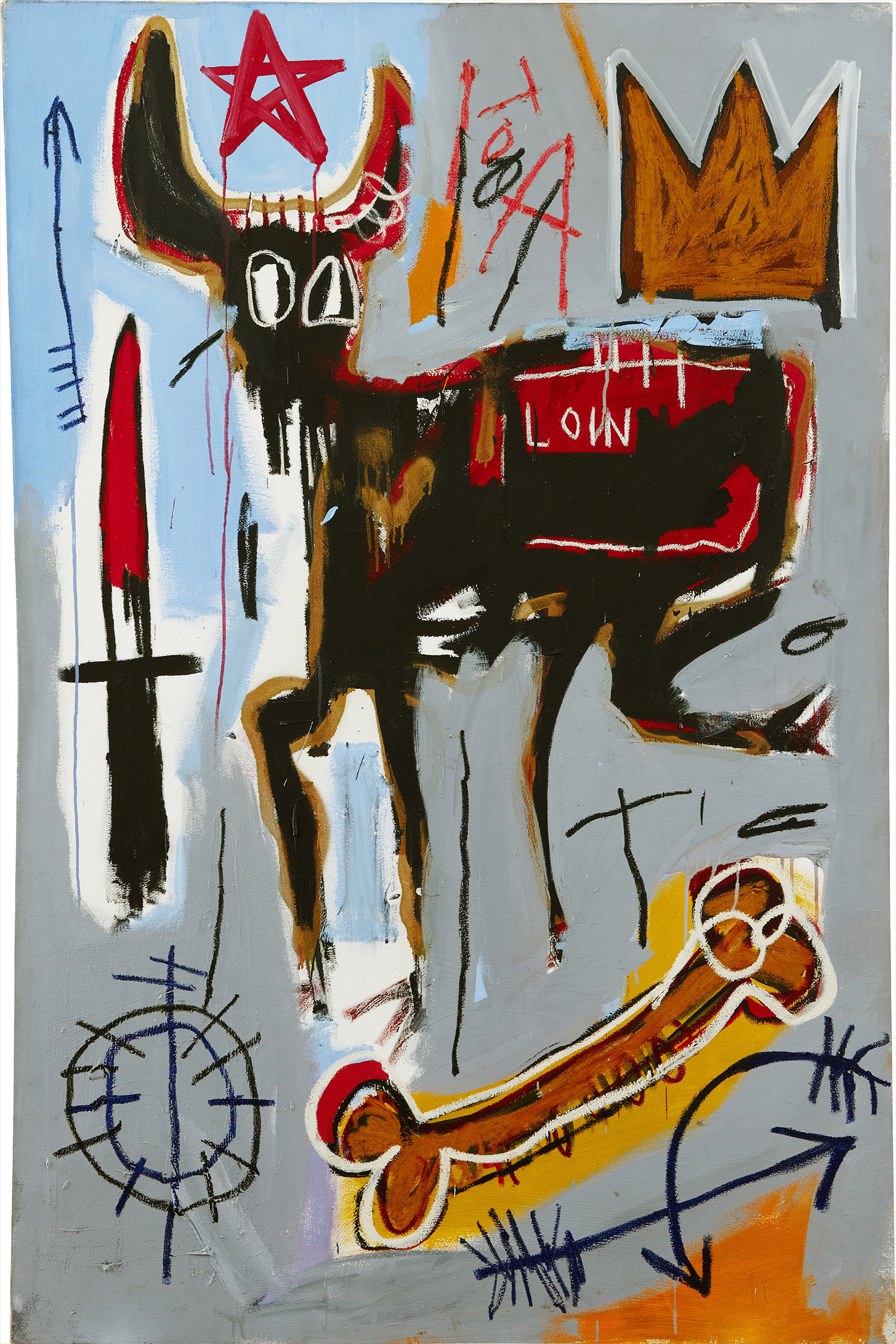
Neo-Expressionism returned painting to figuration in the 1980s, drove a speculative boom, then corrected hard. What the cycle and Basquiat's dominance teach investors.