
Masterworks Explained
How Masterworks' Research Database Compares to Other Art Market Data Sources
How the Masterworks research database compares to Artnet, Artprice, AskART, MutualArt, Mei Moses and others on coverage, depth, and investment use.
Deeply reported features from the Masterworks Research Team, published weekly.
How the Masterworks research database compares to Artnet, Artprice, AskART, MutualArt, Mei Moses and others on coverage, depth, and investment use.

How art market cycles move through expansion, peak, correction, and recovery, what triggers the turns, and where the market sits in 2026.

Hedonic regression prices a painting as a bundle of traits, size, medium, signature, provenance, and reads each one's effect on value. Here is how it works.

Hard assets are tangible things with intrinsic value. Financial assets are paper claims. Why the distinction matters for inflation, risk, and where art fits.

Fiscal dominance is when high debt and deficits constrain monetary policy and push toward inflation. Here is why it raises demand for hard assets, and where art fits.

Fee-only, fee-based, and commission advisors are paid differently, and that shapes the advice you get. Here is the all-in cost and how to check.

Lump-sum investing beats dollar-cost averaging about two-thirds of the time because markets rise more often than not. When DCA still makes sense, and how it applies to art.

What Post-Impressionism is, why Van Gogh and Cezanne bridged Impressionism and modern art, and how extreme scarcity drives the prices investors see.

Neo-Expressionism returned painting to figuration in the 1980s, drove a speculative boom, then corrected hard. What the cycle and Basquiat's dominance teach investors.

How Impressionism became the deepest, most established collector market in fine art, what its records and 6 to 7% appreciation mean for investors.
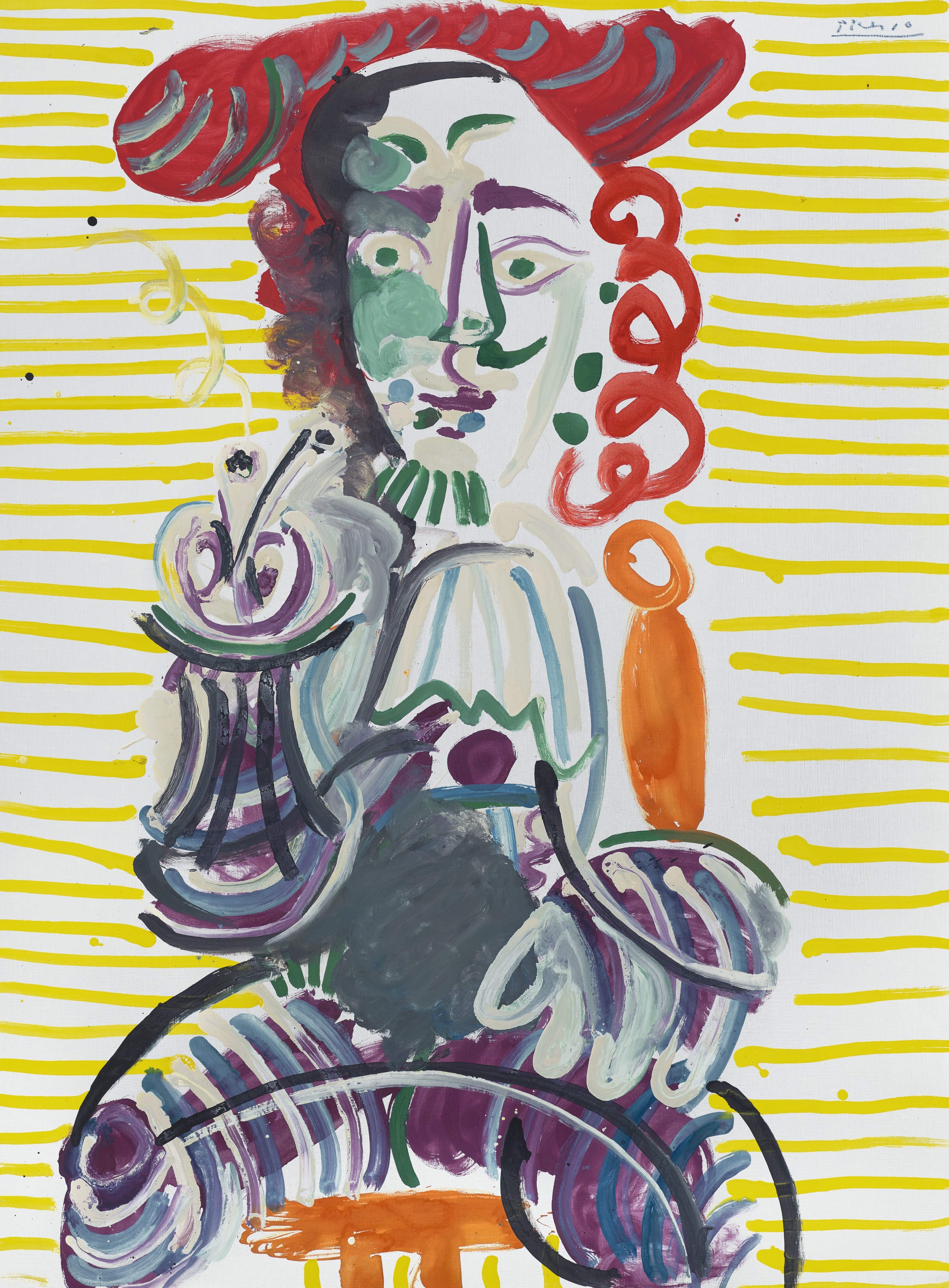
How Picasso and Braque built Cubism between 1907 and 1914, and why museum-locked supply plus iconic status drives the market for it today.

Why Markowitz called diversification the only free lunch, how correlation lowers portfolio risk, and why correlations rise in a crisis.